Tower entrance
Use the building, lobby or valet location rather than the district name alone.
Business-district transport is usually constrained by tower entrances and meeting deadlines. The correct vehicle is the one that reaches the agreed lobby or pickup bay at the required time.
This business-district route is intended for corporate administrators, office managers, executive assistants and conference hosts. The business-district route separates confirmed operating facts from preferences that can remain flexible until availability is checked.
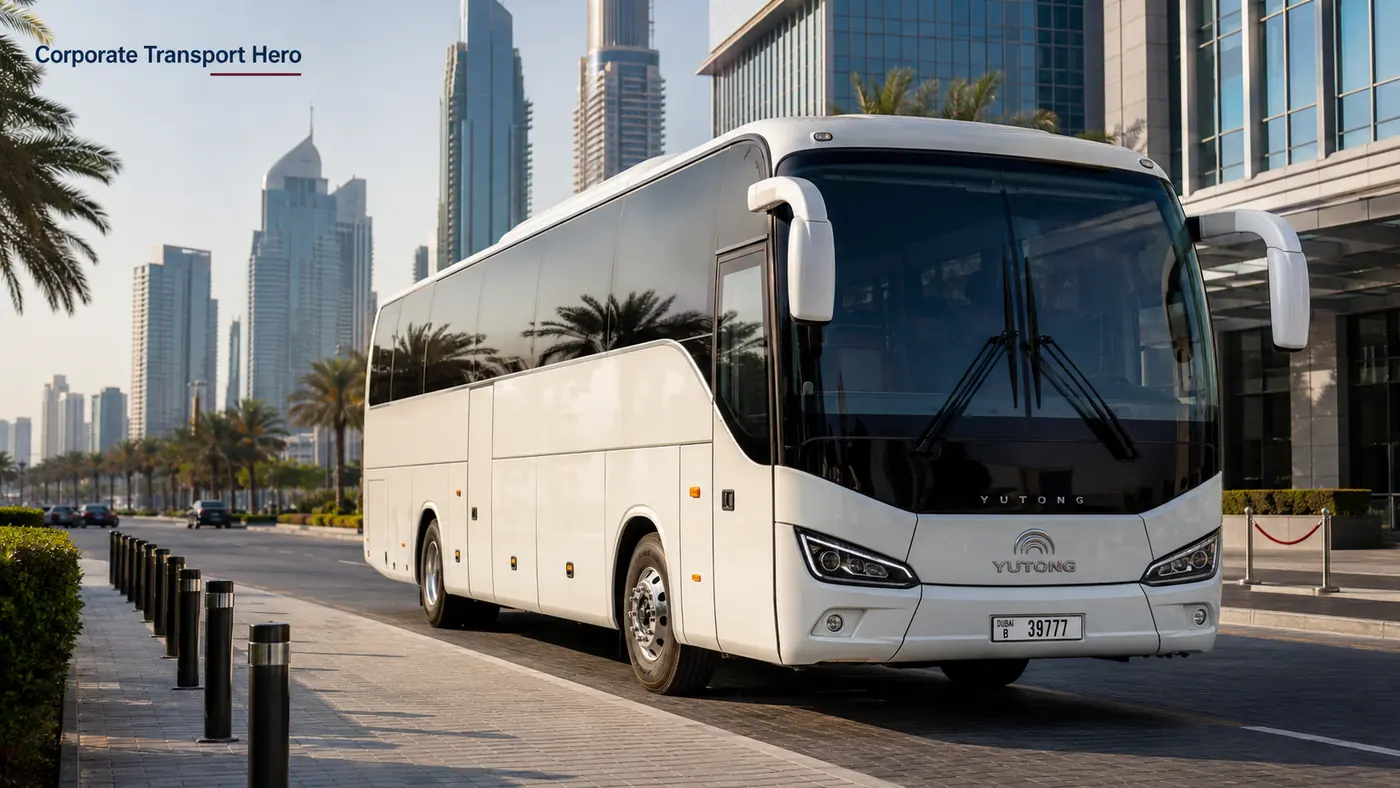
Plan corporate group transport around Dubai towers with exact lobby access, meeting deadlines, parking restrictions and suitable vehicle categories.
Use the building, lobby or valet location rather than the district name alone.
Allow building exit, boarding and traffic time before the appointment.
Vans and minibuses may outperform coaches where staging is limited.
Provide one host contact and a clear pickup instruction for unfamiliar visitors.
For corporate administrators, office managers, executive assistants and conference hosts, the business-district route centres on how to balance professional presentation, compact access and punctual movement between offices, hotels and venues. For the business-district route, the operating answer should come from the complete movement rather than a preferred vehicle name or a rough rate request.
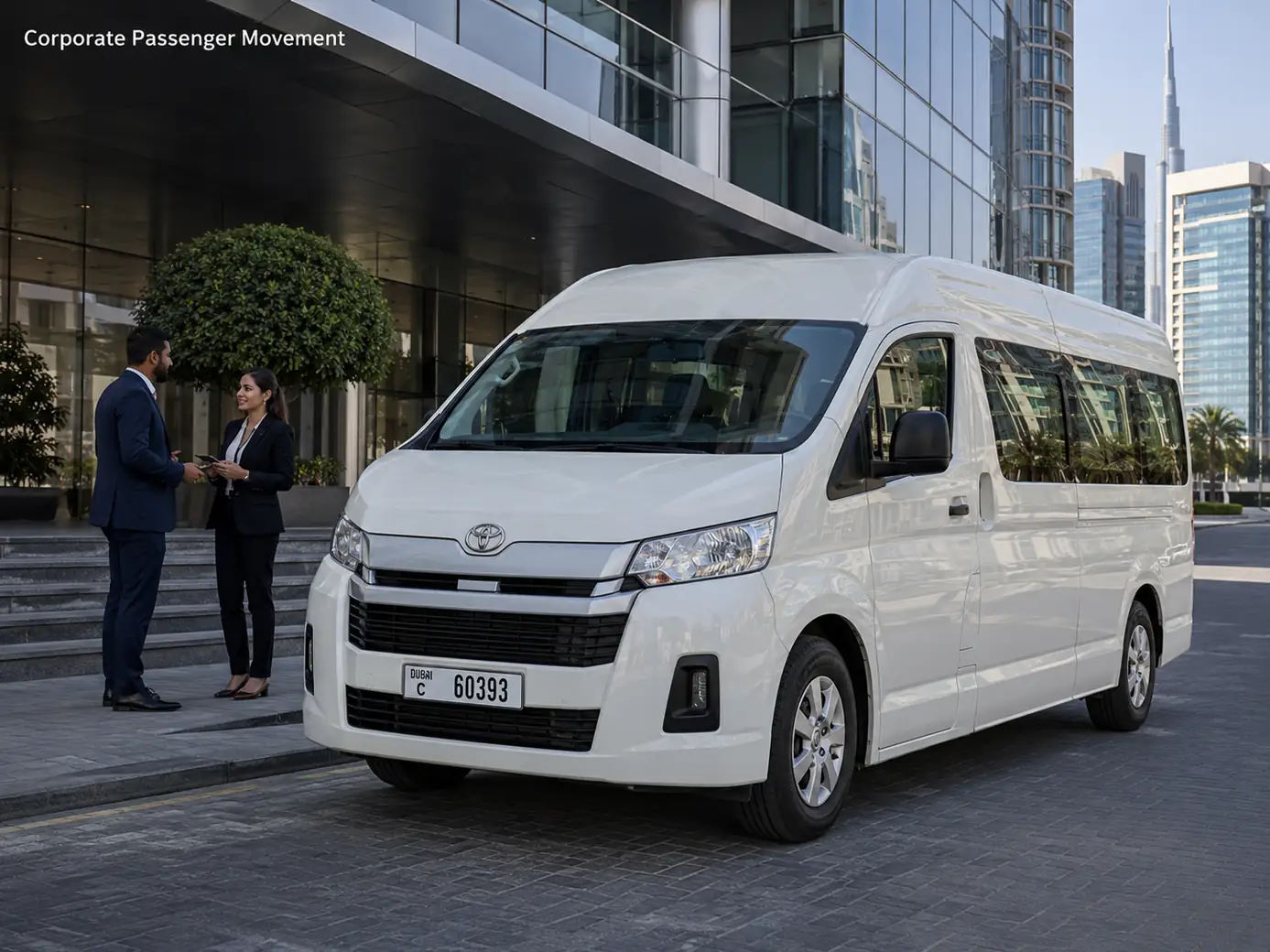
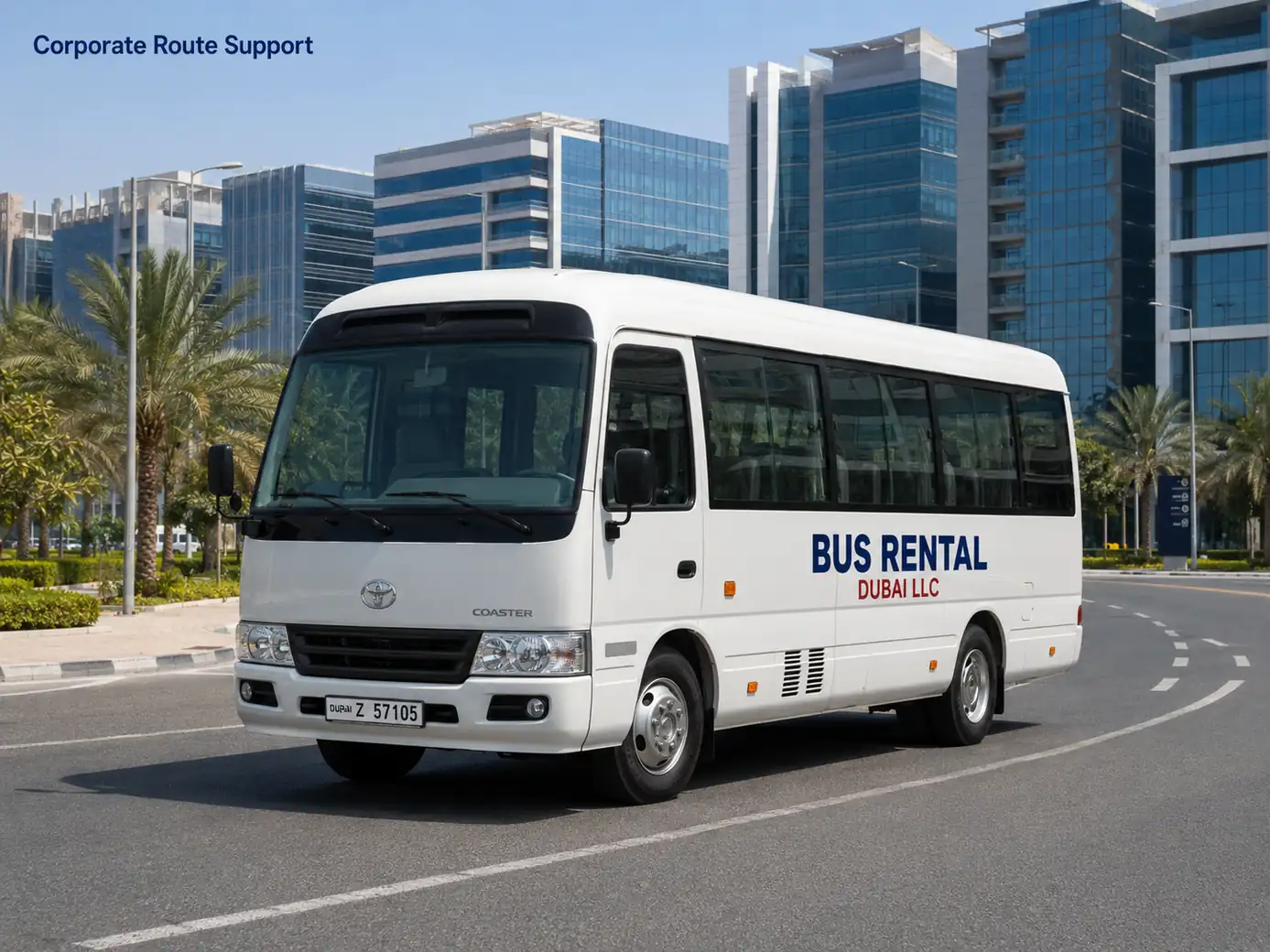
For corporate administrators, office managers, executive assistants and conference hosts, the business-district route centres on how to balance professional presentation, compact access and punctual movement between offices, hotels and venues. For the business-district route, the operating answer should come from the complete movement rather than a preferred vehicle name or a rough rate request.
Write the business-district route in operating order: who boards, where the vehicle reports, when departure occurs, what follows arrival and how the service ends. This operating sequence exposes the details that can alter the business-district route.
Share one approved business-district route with the coordinator, sales team and operations team. This protects the approved business-district route from being replaced by an earlier message or passenger request.
The following situations show how the business-district route can produce different answers. Each business-district route example changes an operating constraint rather than only the passenger total.
A smaller premium vehicle may reach both forecourts more smoothly than a large coach.
Passenger readiness and tower exit time should be included before the road journey begins.
Flight delay rules and a direct host contact protect the meeting schedule.
Stop order, lobby instructions and waiting limits determine whether one vehicle can serve the itinerary.
The table supports the business-district route by focusing on differences that alter capacity, time, access or commercial scope.
| Option or factor | Best use or question | Planning implication |
|---|---|---|
| Luxury van | Executives, small visitor groups and tight entrances | High flexibility with limited capacity |
| Minibus | Medium corporate teams and training groups | Balances one-group movement with easier access |
| Coach | Large conferences or staff groups | Works only where staging and turning are confirmed |
| Mixed arrangement | VIPs plus main delegate group | Separates presentation needs without confusing the route |
These mistakes look minor during the business-district route but can become operational problems on the service date.
The business-district route should be confirmed from the real pickup, destination and passenger experience rather than a general area name. For this business-district route, confirm the following items before journey confirmation.
This worked case shows how the business-district route becomes one useful operating note.
Fourteen overseas visitors leave a Business Bay hotel for two DIFC meetings and an evening dinner. A minibus may keep the group together, while the itinerary should identify each tower entrance and the maximum waiting time at every stop.
Why it works: For the business-district route, this example states the passenger movement, the main constraint and the service format before asking for a final vehicle or price.
The related pages move the business-district route into service selection, vehicle detail, pricing or quotation. Open the path that matches the next action after the business-district route.
The questions below focus on decisions and objections that commonly arise during the business-district route.
Check tower entrance, pickup bay, passenger count, meeting deadline, parking restrictions and return plan.
Sometimes, but only if staging and turning space are suitable. Vans or minibuses may be better for tight tower access.
Share guest count, host contact, office tower, entrance note, arrival deadline and whether the driver waits.
Tower access, traffic peaks, unclear lobby instructions and passenger readiness are common causes.
Yes, but list the towers in order and allow enough time for access and boarding at each point.
Executive visitors may need a cleaner presentation or premium category, while staff movement may need practical capacity.
Route, timing, vehicle category, waiting, return, parking and exact entrance details help create a realistic quote.
Book once meeting time and locations are confirmed. Earlier booking is better for conferences, VIP visits and peak business hours.
Send the buildings, entrances, passenger profile, deadlines and stop order. The transport recommendation can then prioritise access and punctuality instead of selecting by seats alone.