
Arrival pattern
One flight supports direct transfer; several waves may need repeated movement.
Use a direct transfer when one group arrives together and travels to one destination. Use a shuttle or staged vehicles when flights, terminals or hotel destinations are spread across a longer window.
Buyers using the airport service-format choice include hotels, conferences, travel organisers and corporate arrival coordinators. The airport service-format choice needs an instruction that can be dispatched, not only an attractive vehicle description.
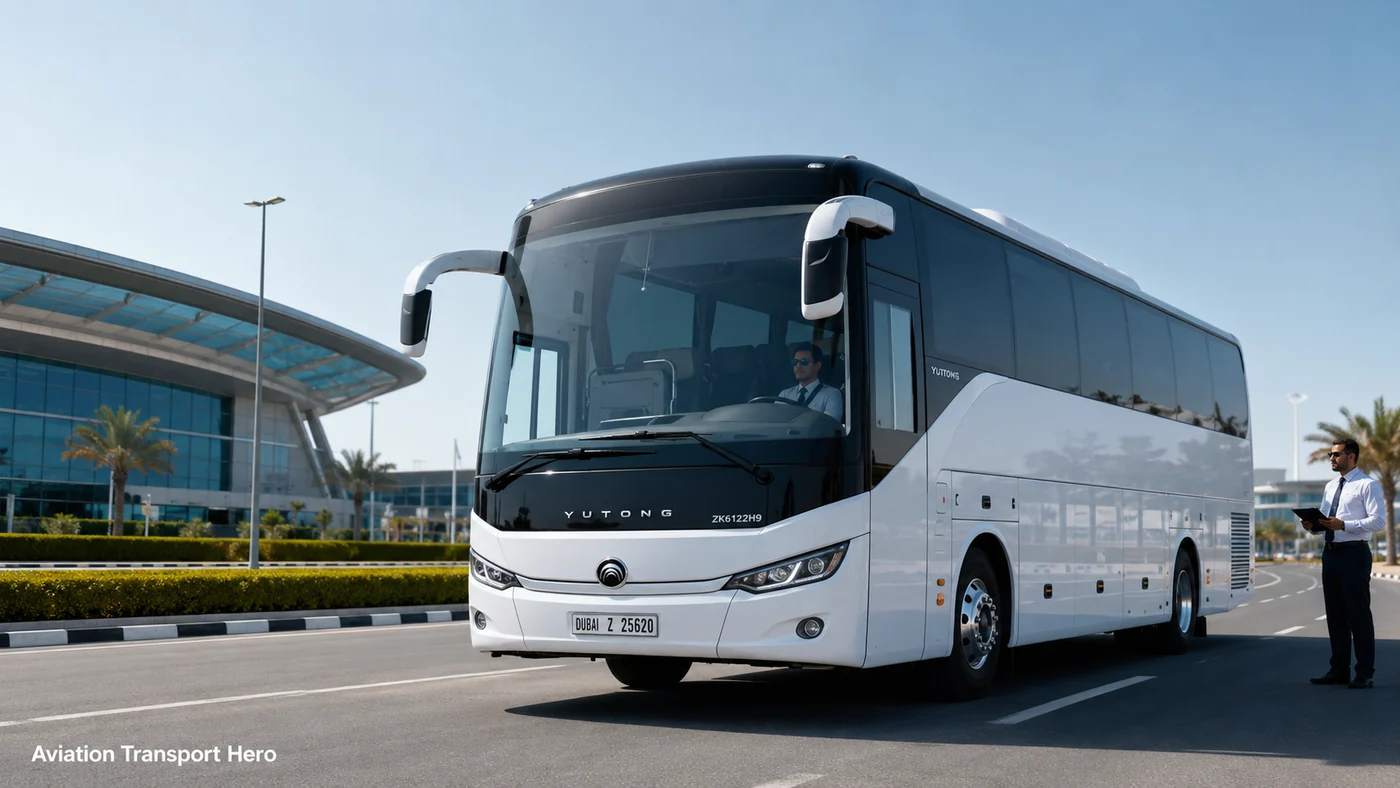
Choose direct airport transfer or a shuttle for group arrivals by comparing flight waves, terminals, luggage, destinations and waiting.
One flight supports direct transfer; several waves may need repeated movement.
Different terminals add route time and coordination.
One hotel is simpler than several properties or venues.
Heavy baggage changes loading time and practical passenger capacity.
The airport service-format choice is relevant to hotels, conferences, travel organisers and corporate arrival coordinators. A useful airport service-format choice shows route, people, access and operating time before the provider commits a vehicle.
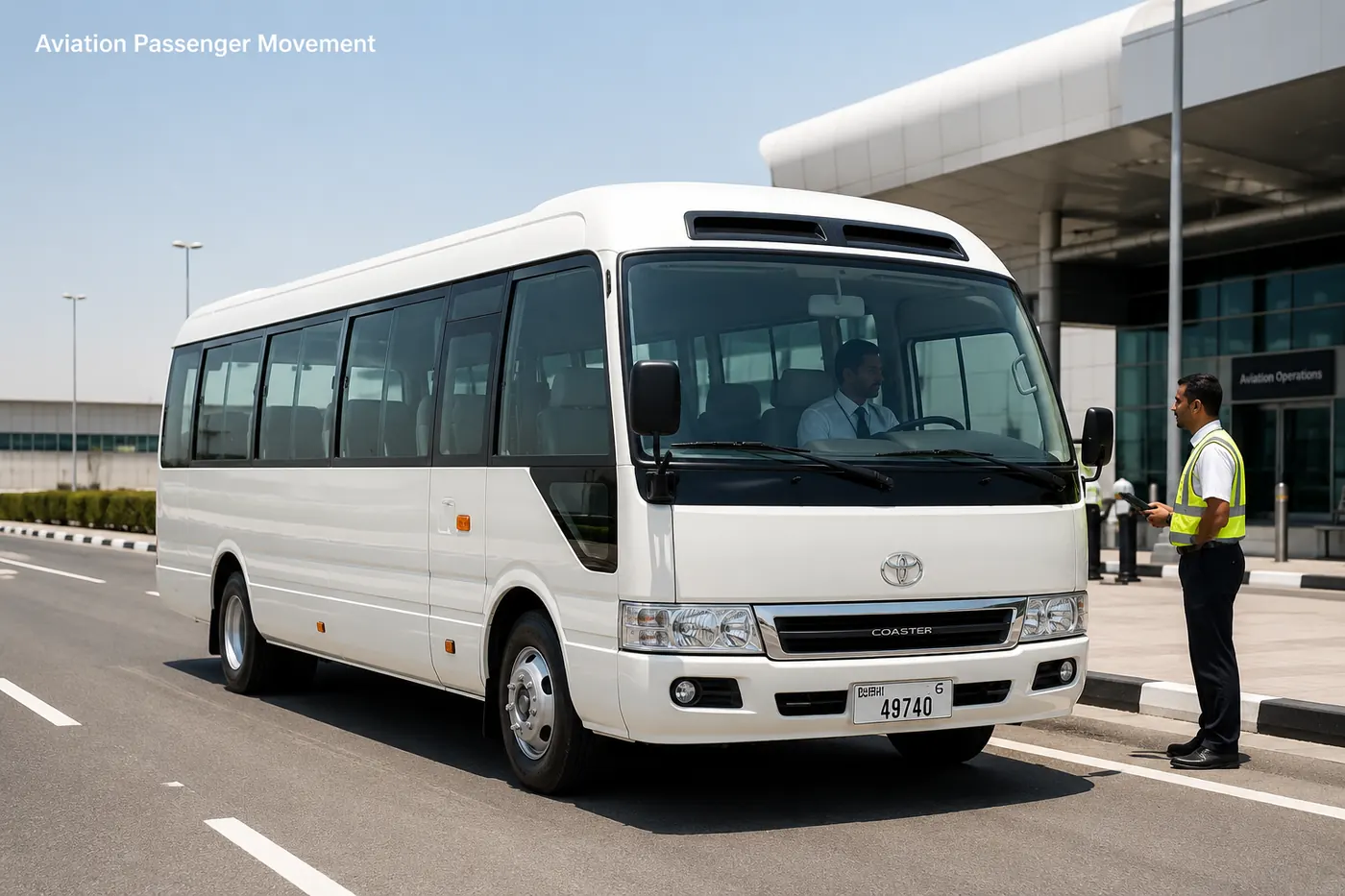
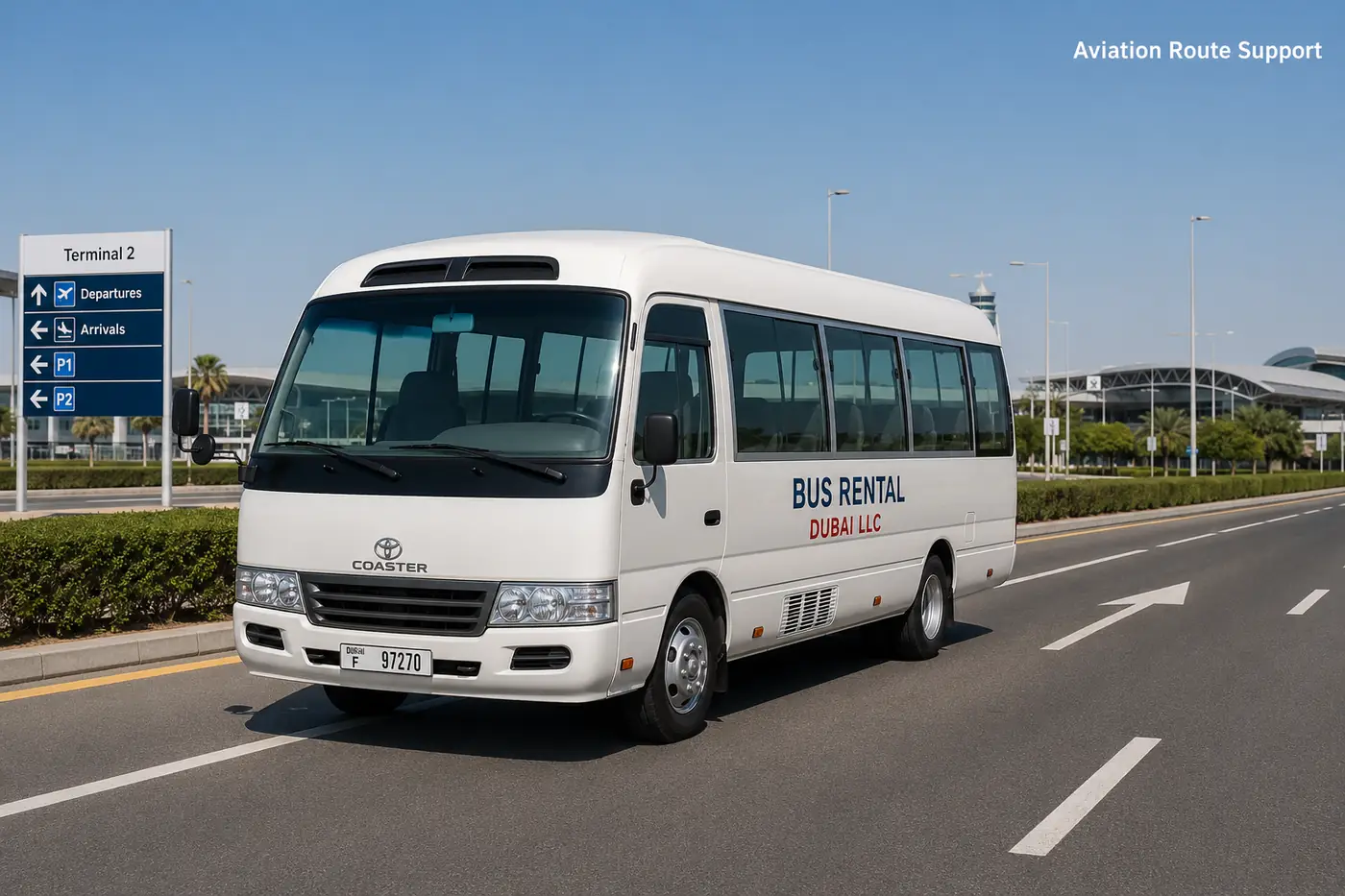
The airport service-format choice is relevant to hotels, conferences, travel organisers and corporate arrival coordinators. A useful airport service-format choice shows route, people, access and operating time before the provider commits a vehicle.
For the airport service-format choice, separate fixed facts from preferences. In the airport service-format choice, passengers, route and deadlines are facts; model, presentation and payment method may remain preferences until the scope is agreed.
Commercial approval should follow the operational review in the airport service-format choice. Once timing, access and passengers are credible, the quotation can define inclusions, changes and remaining conditions for the airport service-format choice.
Real bookings behind the airport service-format choice do not follow one standard pattern. These examples apply the airport service-format choice to four situations where timing, access, passenger control or service format changes.
One coach can move the group together when baggage collection and the destination are coordinated.
A shuttle or staged vans can avoid holding early passengers for the final flight.
Separate collection or a carefully timed consolidation point may be required.
Repeated smaller movements can be more practical than one coach making a long drop sequence.
Do not rank choices in the airport service-format choice until their operating assumptions match. The comparison for the airport service-format choice shows what each option solves and what still needs confirmation.
| Option or factor | Best use or question | Planning implication |
|---|---|---|
| Direct transfer | One arrival, one departure, one destination | Clear and efficient for a consolidated group |
| Scheduled shuttle | Repeated runs during a defined window | Useful for known arrival waves |
| Staged vehicles | Separate units assigned to flights or terminals | Flexible but needs a passenger allocation list |
| Hybrid plan | Coach for main wave plus vans for exceptions | Protects the main group without excessive waiting |
Review these points before completing the airport service-format choice. Each unresolved point in the airport service-format choice can change the vehicle, timetable or responsibility.
Dispatch for the airport service-format choice becomes safer when arrival or event information is consolidated before drivers receive instructions. For this airport service-format choice, confirm the following items before dispatch planning.
A practical example makes the airport service-format choice easier to test than a list of general rules.
Sixty delegates arrive in one main wave of 45 passengers and three later flights carrying five passengers each. A coach can handle the main movement while smaller staged vehicles collect the exceptions, avoiding a long airport hold for everyone.
Why it works: For the airport service-format choice, this example states the passenger movement, the main constraint and the service format before asking for a final vehicle or price.
After the airport service-format choice is clear, use one of these pages to confirm the vehicle, commercial basis or operating format.
The questions below focus on decisions and objections that commonly arise during the airport service-format choice.
A transfer usually moves one group from airport to destination. A shuttle repeats movement or handles several arrival waves.
Choose direct transfer when the group arrives together, has one destination and luggage can be loaded in one movement.
Use a shuttle when flights arrive in waves, passengers are split across terminals or a hotel/event needs repeated movement.
Heavy luggage can make one full vehicle less practical. A shuttle or larger category may be needed depending on timing.
Yes. Delay rules should define whether the vehicle waits, loops, returns later or operates after actual arrival confirmation.
Yes. One coordinator reduces missed passengers, unclear meeting points and scattered updates.
Transfer pricing is usually narrower; shuttle pricing depends on time, number of loops, waiting and vehicle use.
Send flights, terminals, passenger count, luggage, arrival spread, destination and preferred service format.
Send the arrival schedule, terminals, passenger allocation, luggage and destinations. The provider can then compare a direct transfer, shuttle or hybrid plan with real timings.