Count the complete group
Include coordinators, guides, supervisors, children and anyone joining at later stops.
Choose by usable capacity, not the seat number alone. Count every traveller, reserve space for luggage or equipment, confirm the pickup entrance and consider how long passengers will remain on board.
This bus-size decision is intended for families, company administrators, hotels, schools and event organisers. The bus-size decision separates confirmed operating facts from preferences that can remain flexible until availability is checked.

Choose a practical bus size in Dubai by checking usable seats, luggage, pickup access and journey comfort before requesting a route-based quote.
Include coordinators, guides, supervisors, children and anyone joining at later stops.
Suitcases, sports gear, tools and event material can remove usable seating or require a larger category.
A coach may have enough seats but still be unsuitable for a narrow hotel driveway, tower lobby or school gate.
A close seating fit may work for a short transfer but feel restrictive on airport or intercity travel.
For families, company administrators, hotels, schools and event organisers, the bus-size decision centres on whether the group needs a van, minibus, mid-size bus or full coach after practical capacity and access are checked. For the bus-size decision, the operating answer should come from the complete movement rather than a preferred vehicle name or a rough rate request.
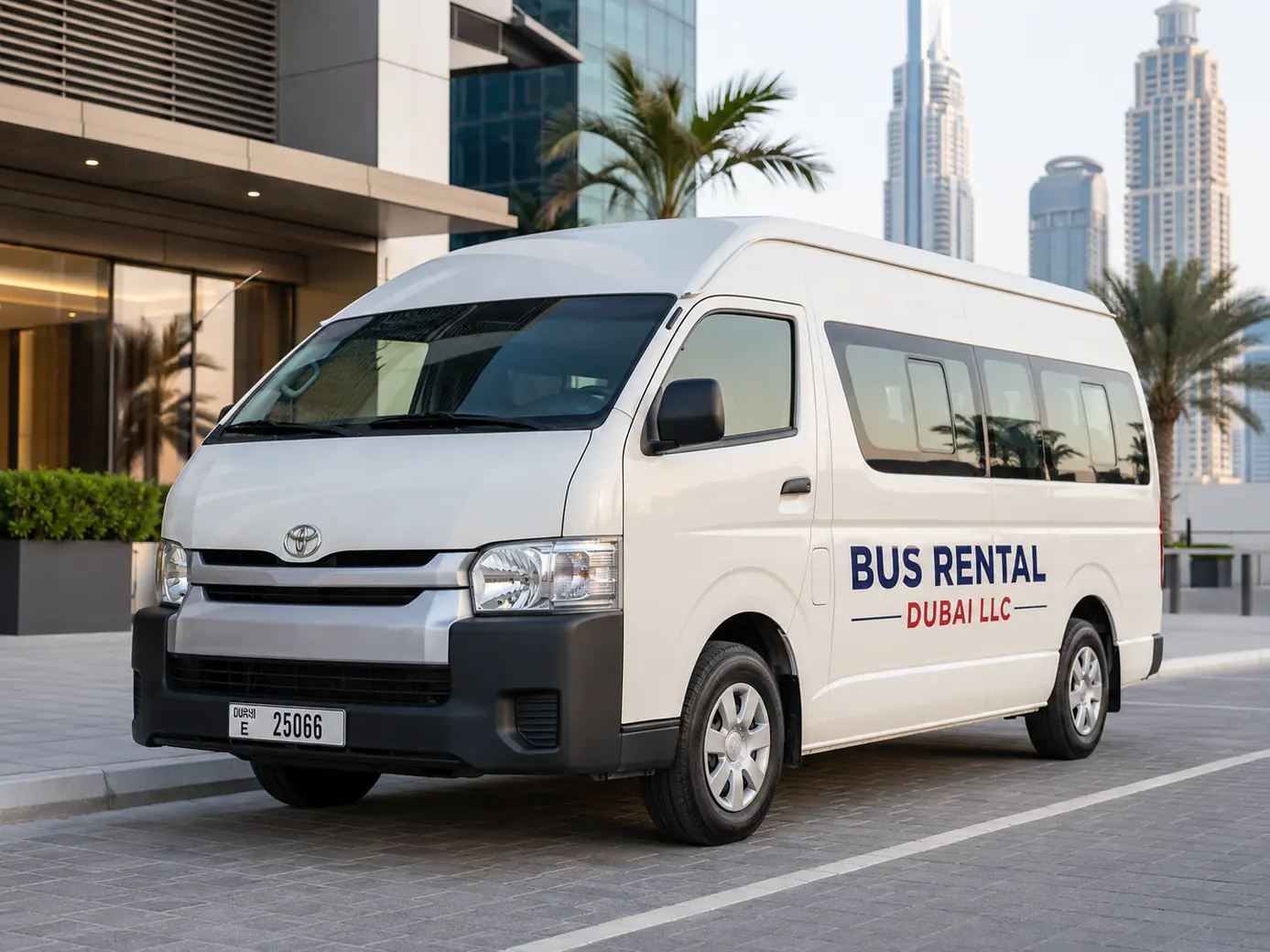
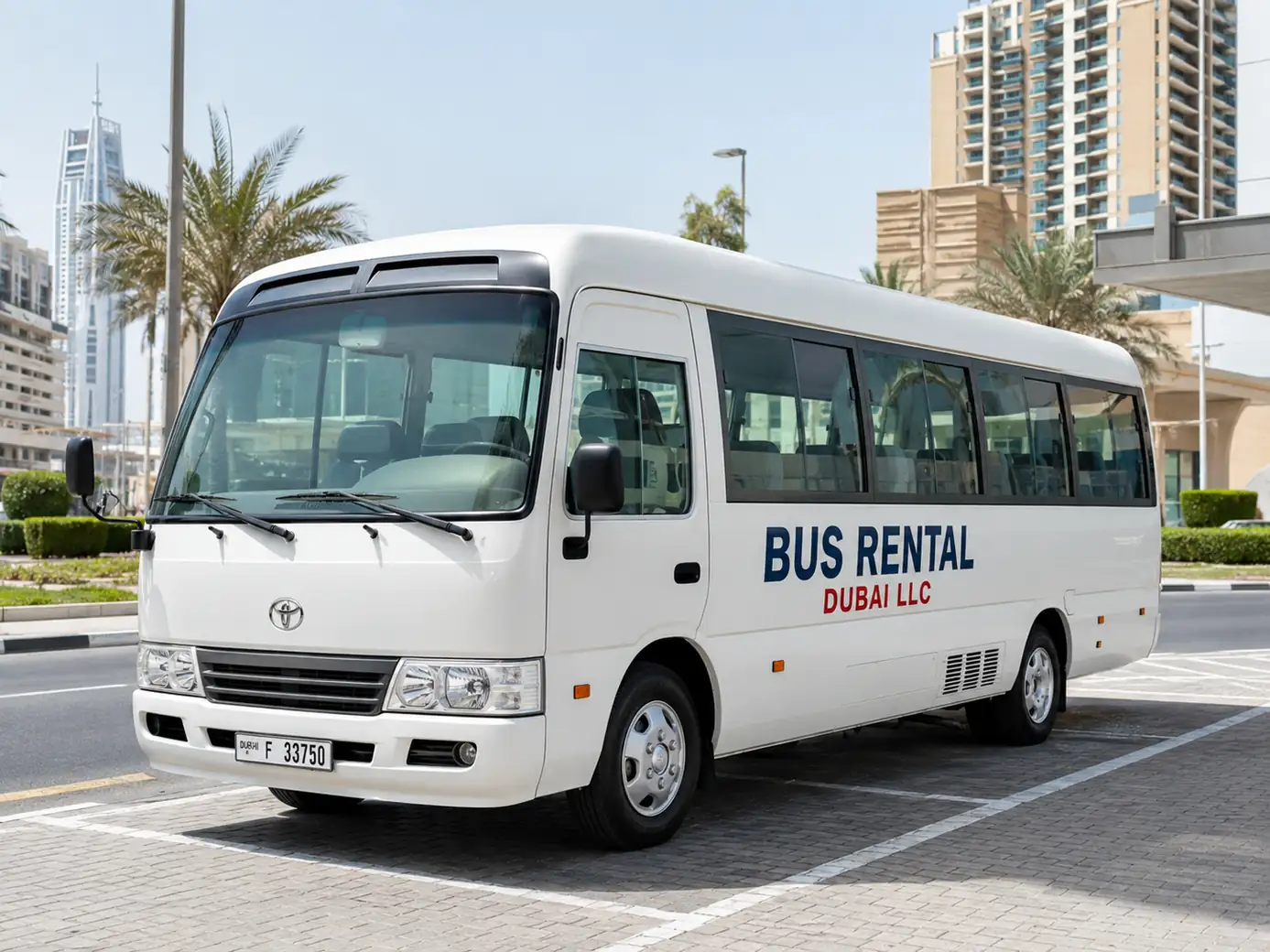
For families, company administrators, hotels, schools and event organisers, the bus-size decision centres on whether the group needs a van, minibus, mid-size bus or full coach after practical capacity and access are checked. For the bus-size decision, the operating answer should come from the complete movement rather than a preferred vehicle name or a rough rate request.
Write the bus-size decision in operating order: who boards, where the vehicle reports, when departure occurs, what follows arrival and how the service ends. This operating sequence exposes the details that can alter the bus-size decision.
Share one approved bus-size decision with the coordinator, sales team and operations team. This protects the approved bus-size decision from being replaced by an earlier message or passenger request.
The following situations show how the bus-size decision can produce different answers. Each bus-size decision example changes an operating constraint rather than only the passenger total.
A 13- or 15-seat van may look sufficient by headcount, yet luggage volume can justify a larger van or minibus. Confirm how many full-size cases must travel inside the same vehicle.
Compact access and a short journey may favour a high-roof van, especially where coach waiting is restricted. The meeting deadline and lobby location matter more than maximum seating.
The practical count includes teachers and helpers. Boarding control, school-gate access and bags should be reviewed before selecting a Coaster or another minibus category.
A full coach can keep the group together, but only when the venue can receive it and the departure coordinator can assemble passengers at one clear point.
The table supports the bus-size decision by focusing on differences that alter capacity, time, access or commercial scope.
| Option or factor | Best use or question | Planning implication |
|---|---|---|
| 7-15 seat van | Small groups, compact entrances and direct city transfers | Can become tight with heavy luggage or several pickup points |
| 20-34 seat minibus | Medium groups, hotel movements, training teams and school trips | Check aisle space, baggage and actual supervisor count |
| 35-seat bus | Groups that need more comfort without a full-size coach | Confirm turning space, waiting and the usable passenger load |
| 50-53 seat coach | Large groups that should travel together | Requires suitable access, organised boarding and a clear return plan |
These mistakes look minor during the bus-size decision but can become operational problems on the service date.
Advice for the bus-size decision becomes reliable when the transport team can see the people, items, access and complete journey. For this bus-size decision, confirm the following items before vehicle selection.
This worked case shows how the bus-size decision becomes one useful operating note.
Thirty-two conference guests leave a hotel in Business Bay for an exhibition venue and return after dinner. They carry light hand luggage, need one coordinated arrival and use a hotel forecourt that can receive a mid-size bus. The quote should compare a 35-seat category with a larger coach only if the venue and hotel can stage it comfortably.
Why it works: For the bus-size decision, this example states the passenger movement, the main constraint and the service format before asking for a final vehicle or price.
The related pages move the bus-size decision into service selection, vehicle detail, pricing or quotation. Open the path that matches the next action after the bus-size decision.
The questions below focus on decisions and objections that commonly arise during the bus-size decision.
If every seat will be used and passengers also carry luggage, equipment or personal items, the vehicle is probably too tight. A practical plan leaves space for boarding, comfort and safe luggage placement.
Use seat count as the starting point, then check access, route length, luggage and passenger profile. A compact route may need a van while the same headcount with bags may need a larger minibus.
A full coach is better when the group must arrive together, the pickup point can handle the vehicle and boarding can be supervised from one location.
Send passenger count, luggage, pickup entrance, destination, timing, route type and any comfort expectation. This allows the team to compare nearby vehicle categories properly.
Sometimes, but airport luggage and terminal timing can change the answer. City transfers may be easier with the same headcount if bags are light and access is simple.
A close fit may work. For airport, intercity, school or event movement, allow more comfort and space because boarding and luggage pressure increase.
Yes. A hotel driveway, tower lobby or venue bay may make a smaller vehicle more practical even when a larger coach has more seats.
No. A lower price can become a poor choice if the vehicle is tight, cannot reach the pickup point or causes delays during boarding.
Send the passenger count, luggage, exact entrance, destination, date, timing and return plan. The team can then compare nearby vehicle categories without guessing from seat numbers alone.