
Camp pickup
Use a named assembly point and supervisor confirmation before the bus leaves.
Worker transport depends on disciplined camp boarding and exact site access. The passenger count, gate, shift and overtime procedure must be written before the vehicle is allocated.
The worker-route control is relevant to project managers, site supervisors, camp administrators and workforce coordinators. A useful worker-route control shows route, people, access and operating time before the provider commits a vehicle.
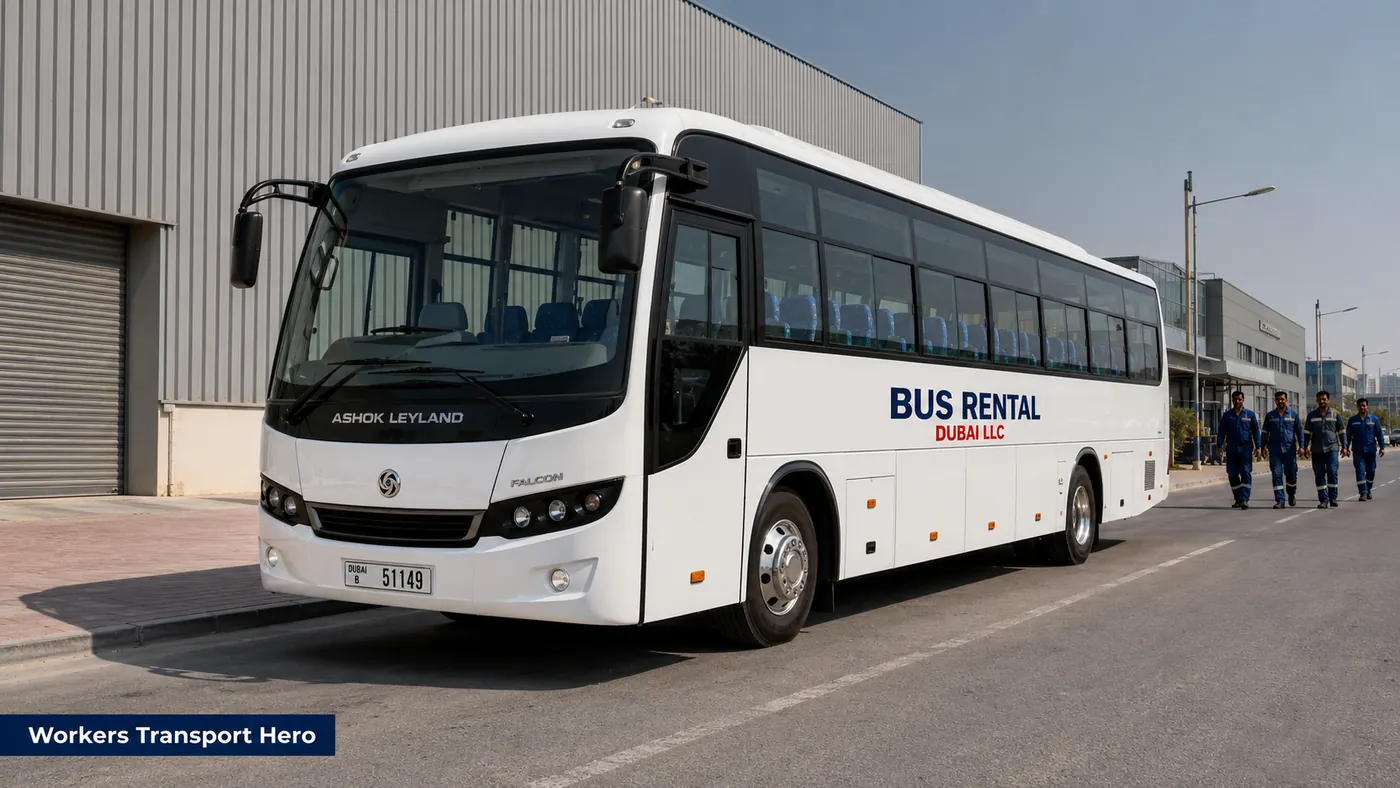
Plan worker transport in Dubai with camp pickup control, shift timing, site gates, supervisor coordination, overtime and safe return rules.
Use a named assembly point and supervisor confirmation before the bus leaves.
Record the actual gate, access documents and expected security time.
Separate reporting, travel and work-start times to protect punctuality.
Decide who authorises waiting, a later return or an additional movement.
Buyers using the worker-route control include project managers, site supervisors, camp administrators and workforce coordinators. The worker-route control needs an instruction that can be dispatched, not only an attractive vehicle description.
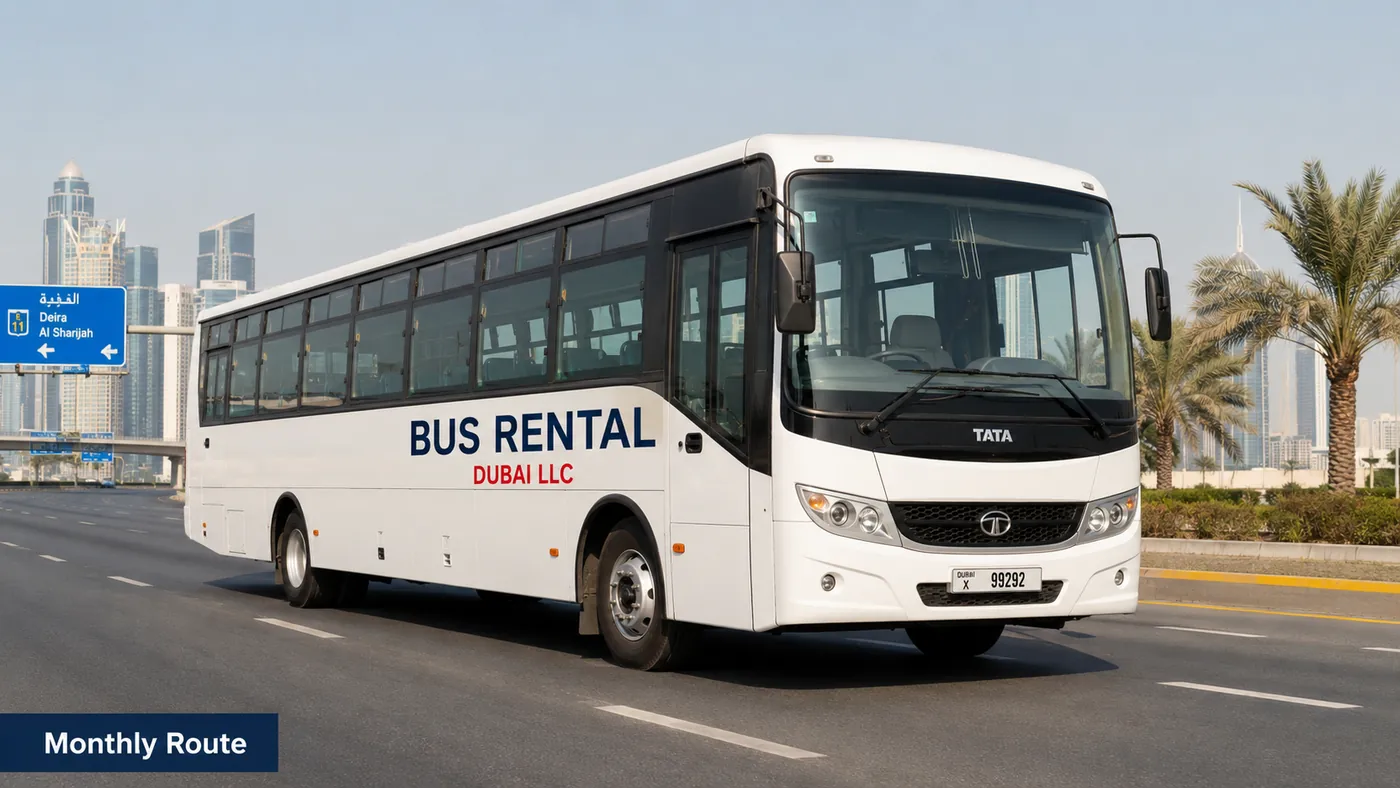
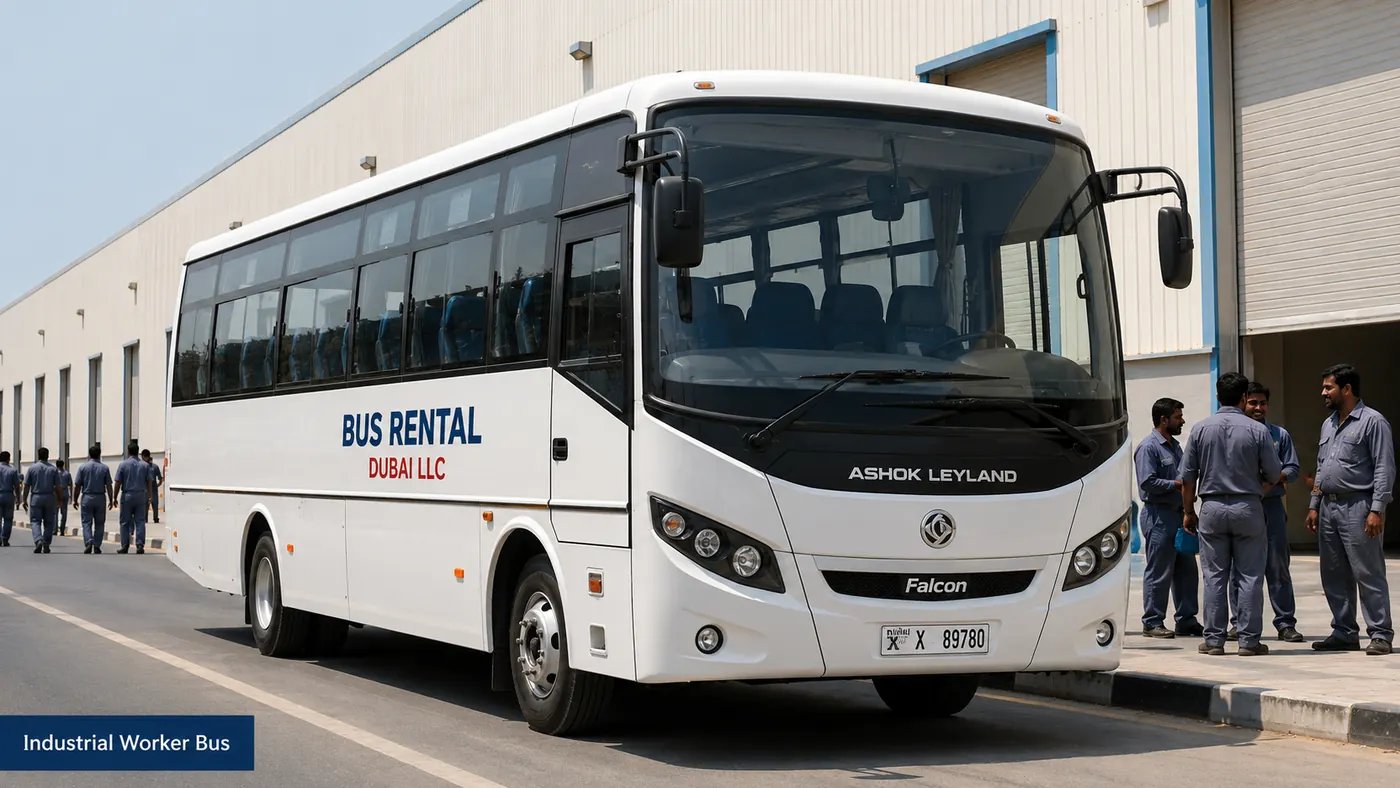
Buyers using the worker-route control include project managers, site supervisors, camp administrators and workforce coordinators. The worker-route control needs an instruction that can be dispatched, not only an attractive vehicle description.
The first review in the worker-route control should establish how to move high passenger volumes between accommodation and site without missed shifts or uncontrolled route changes. Any uncertain detail in the worker-route control should be marked as an estimate so it can be revised without corrupting the final instruction.
Access within the worker-route control must be checked at the actual entrance. For the worker-route control, a map pin, gate, terminal, lobby or forecourt is more valuable than a broad area name and may alter the category.
Use these situations to test the worker-route control before requesting a vehicle. The worker-route control changes when the group, entrance, luggage or duration changes.
A direct high-capacity route is simple only when the assembly point and site gate are fixed.
Passenger allocation and site order must be clear before departure to prevent the wrong group being carried onward.
The supervisor should confirm the release time through the approved contact, not through individual workers.
A route trial and driver briefing can prevent repeated delays during the first operating week.
Use the same confirmed facts for every option in the worker-route control. The central test remains how to move high passenger volumes between accommodation and site without missed shifts or uncontrolled route changes.
| Option or factor | Best use or question | Planning implication |
|---|---|---|
| Camp assembly | Supervisor, passenger count and departure clearance | Avoids repeated waiting for missing workers |
| Travel plan | Direct route, any stops and traffic buffer | Protects site reporting time |
| Site access | Gate, permit process and unloading point | Prevents arrival at the wrong entrance |
| Return release | Normal finish, overtime and escalation | Keeps driver hours and additional trips controlled |
A strong worker-route control states what must not be assumed. Removing these six risks protects the worker-route control before it becomes a driver instruction.
The worker-route control needs one controlled operating version that supervisors, drivers and administrators can all follow. For this worker-route control, confirm the following items before route activation.
Use this example as a format for the worker-route control, not as a fixed recommendation for every route.
Sixty workers leave a Sonapur accommodation for two project gates with different shift starts. The operator needs separate passenger lists, a confirmed unloading order and written authority for any overtime return before one large bus is dispatched.
Why it works: For the worker-route control, this example states the passenger movement, the main constraint and the service format before asking for a final vehicle or price.
Choose the next page according to the unresolved part of the worker-route control. These links continue the buyer journey from the worker-route control without repeating this guide.
The questions below focus on decisions and objections that commonly arise during the worker-route control.
Send camp or accommodation pickup, site gate, shift timing, worker count, return movement, supervisor contact and access notes.
Large staff or labor buses may suit high passenger counts, while vans or minibuses may support supervisors or smaller teams.
Set reporting time, departure time and site arrival target. A supervisor should confirm boarding before the vehicle leaves.
Late release should be planned as waiting, later return or updated instruction. It should not be left for the driver to decide alone.
Yes, but each site must be listed in order with timing, gate access and passenger numbers.
A wrong gate can delay the route even when the driver is nearby. Map pins and gate names reduce this risk.
Vehicle size, number of trips, working days, distance, waiting, late-night movement and route changes affect the price.
Review after passenger count changes, overtime patterns appear, new sites are added or route timing becomes unreliable.
Provide the camp point, worker numbers, site gate, shifts, supervisor and overtime rule. The transport plan can then protect both site arrival and the controlled return.