
Guest profile
Record families, VIPs, conference delegates, tour groups and any mobility needs.
Guest transport must protect the arrival experience as well as the route. Vehicle presentation, luggage handling, forecourt access and host communication should be planned before dispatch.
The hotel-guest movement is relevant to hotel operations teams, concierge desks, travel departments and event hosts. A useful hotel-guest movement shows route, people, access and operating time before the provider commits a vehicle.
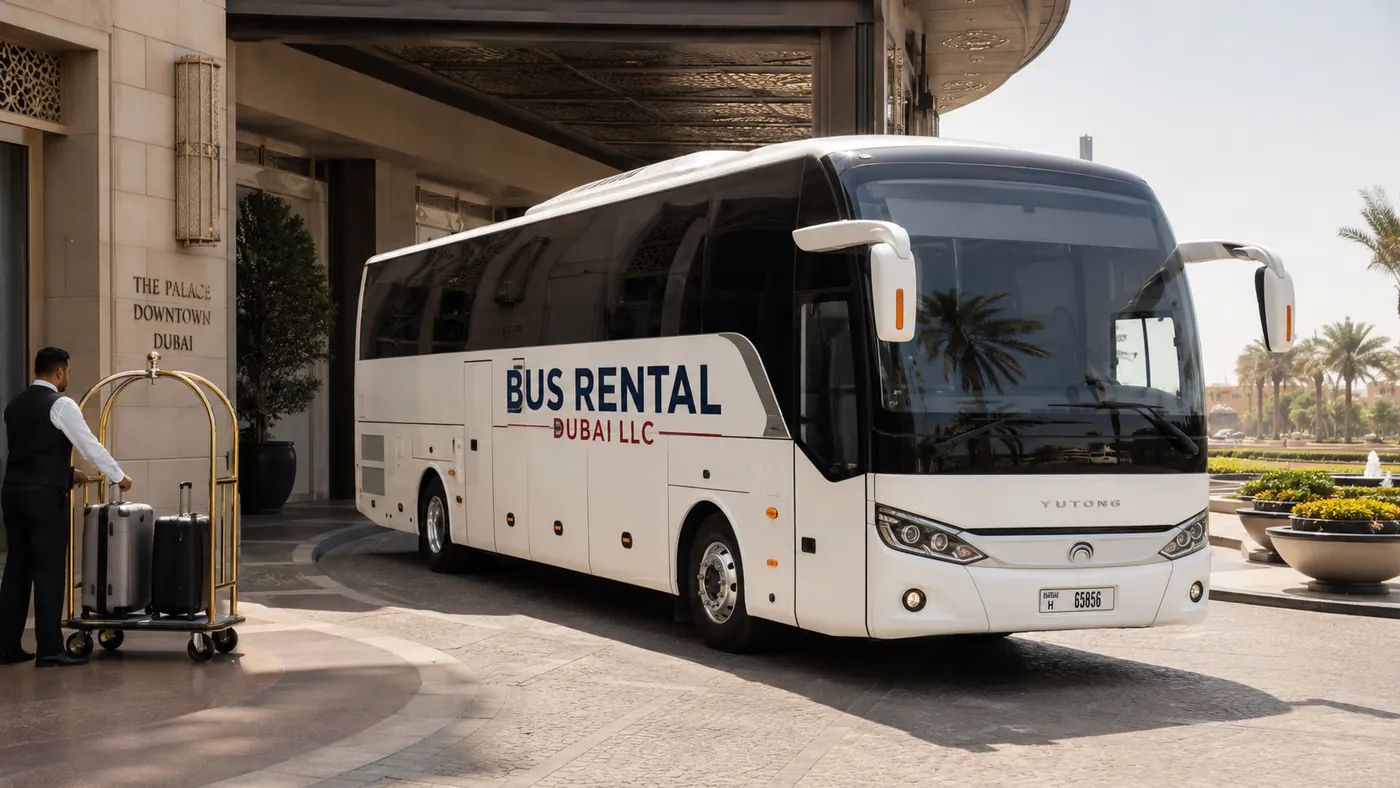
Plan Dubai hotel guest transport around airport arrivals, luggage, forecourt access, tours, events, host coordination and return timing.
Record families, VIPs, conference delegates, tour groups and any mobility needs.
Count cases separately and allow loading time at airport and hotel.
Confirm the valet lane, coach bay or alternative meeting point with the property.
One hotel or event contact should coordinate the driver and group.
Buyers using the hotel-guest movement include hotel operations teams, concierge desks, travel departments and event hosts. The hotel-guest movement needs an instruction that can be dispatched, not only an attractive vehicle description.
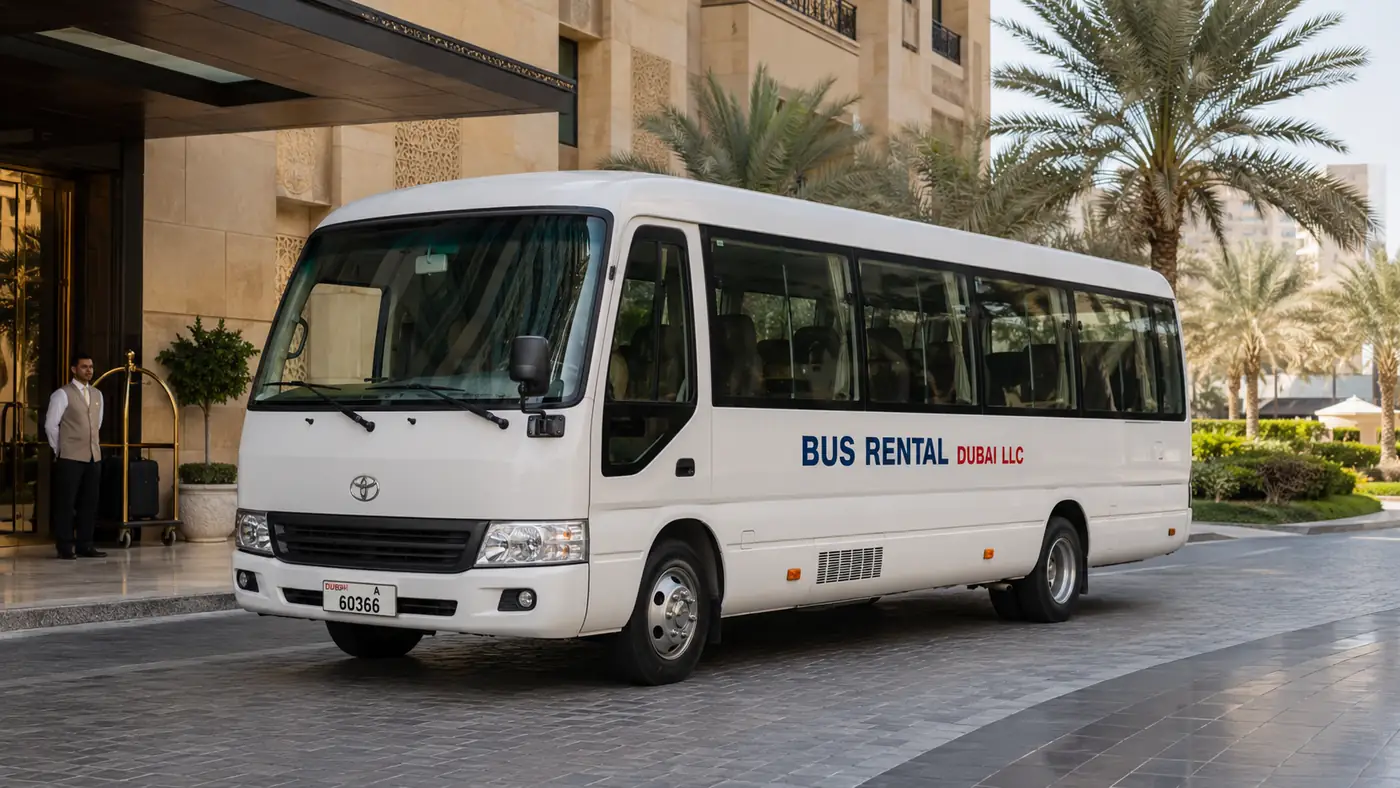
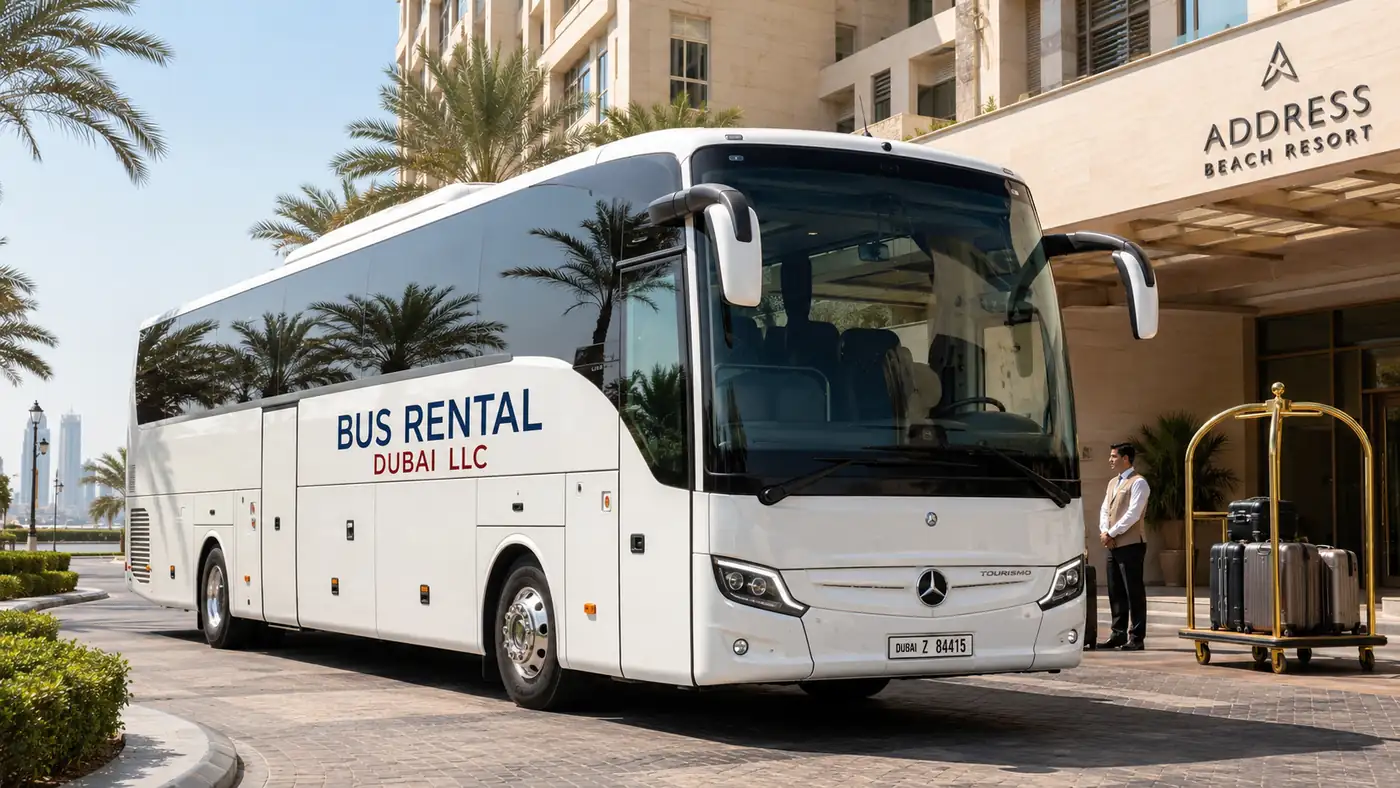
Buyers using the hotel-guest movement include hotel operations teams, concierge desks, travel departments and event hosts. The hotel-guest movement needs an instruction that can be dispatched, not only an attractive vehicle description.
The first review in the hotel-guest movement should establish how to move guests comfortably without blocking the hotel entrance or leaving arrival and return instructions unclear. Any uncertain detail in the hotel-guest movement should be marked as an estimate so it can be revised without corrupting the final instruction.
Access within the hotel-guest movement must be checked at the actual entrance. For the hotel-guest movement, a map pin, gate, terminal, lobby or forecourt is more valuable than a broad area name and may alter the category.
Use these situations to test the hotel-guest movement before requesting a vehicle. The hotel-guest movement changes when the group, entrance, luggage or duration changes.
Flight details, bags and guest names should be consolidated before the vehicle is sent.
The hotel should announce a reporting time earlier than the coach departure.
Presentation, arrival deadline and venue entrance may justify a different vehicle from the airport transfer.
Pickup order and waiting limits should be written so one late group does not affect every property.
Use the same confirmed facts for every option in the hotel-guest movement. The central test remains how to move guests comfortably without blocking the hotel entrance or leaving arrival and return instructions unclear.
| Option or factor | Best use or question | Planning implication |
|---|---|---|
| Airport transfer | Luggage, flight timing and terminal meeting | Needs arrival coordination |
| Tour departure | Guest readiness, guide and attraction schedule | Needs a firm reporting time |
| Event shuttle | Venue gate, waiting and late return | May operate in waves |
| VIP movement | Presentation, privacy and flexible timing | Often suited to smaller premium vehicles |
A strong hotel-guest movement states what must not be assumed. Removing these six risks protects the hotel-guest movement before it becomes a driver instruction.
The hotel-guest movement should be confirmed from the real pickup, destination and passenger experience rather than a general area name. For this hotel-guest movement, confirm the following items before journey confirmation.
Use this example as a format for the hotel-guest movement, not as a fixed recommendation for every route.
A hotel receives 22 incentive guests from two flights, transfers them to the property and sends them to a dinner venue three hours later. Airport movement, luggage loading and evening presentation should be scoped as connected but distinct duties.
Why it works: For the hotel-guest movement, this example states the passenger movement, the main constraint and the service format before asking for a final vehicle or price.
Choose the next page according to the unresolved part of the hotel-guest movement. These links continue the buyer journey from the hotel-guest movement without repeating this guide.
The questions below focus on decisions and objections that commonly arise during the hotel-guest movement.
Send guest count, luggage, hotel entrance, airport terminal or destination, timing, host contact and whether the vehicle waits or returns.
Guest groups often carry large bags, so the practical vehicle may need more space than the seat count suggests.
Yes, if pickup order, waiting rules and guest communication are controlled. Multi-hotel routes need extra time.
Usually yes because guest experience, vehicle presentation, timing and entrances are different from employee routes.
The wrong entrance or crowded forecourt can delay boarding. Clear valet, lobby or coach bay instructions help.
Yes. Add attraction order, waiting, guide coordination and return time before requesting final pricing.
It depends on group size, luggage and presentation. Vans, minibuses and coaches can all work if access and luggage are correct.
Request early for large guest groups, airport arrivals, events, peak travel days and multi-stop itineraries.
Share the guest profile, luggage, hotel entrance, schedule and host contact. The vehicle and route can then support both punctual movement and the expected guest experience.