
Passenger origins
Group hotels, parking areas or accommodation by geography and demand.
A shuttle route is a timed loop, not simply a bus moving between two points. Calculate boarding, traffic, unloading and turnaround before deciding vehicle count and frequency.
Buyers using the event shuttle loop include event operations teams, venues, hotels and transport coordinators. The event shuttle loop needs an instruction that can be dispatched, not only an attractive vehicle description.
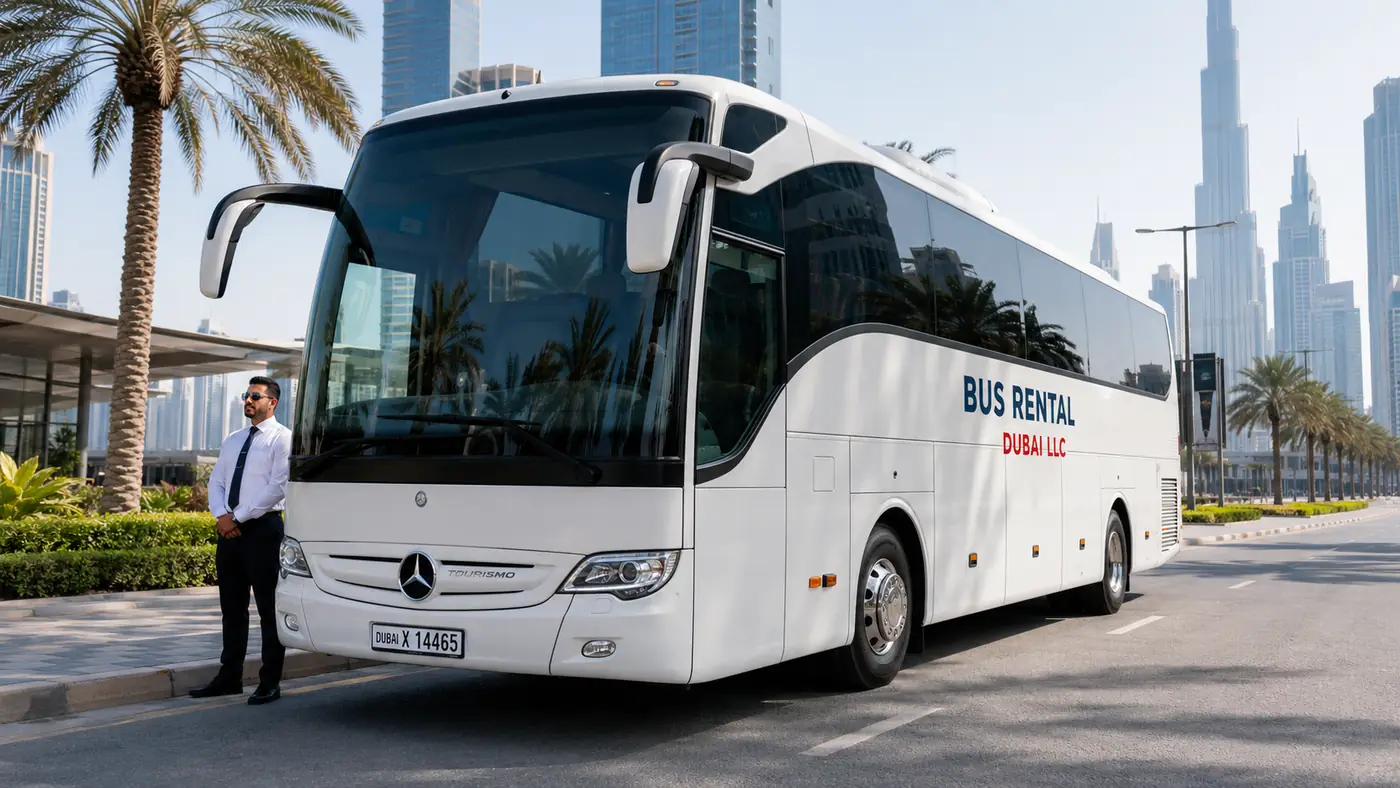
Design Dubai event shuttle routes using passenger origins, loop time, vehicle count, peak waves, venue access and return control.
Group hotels, parking areas or accommodation by geography and demand.
Measure loading, travel, unloading, staging and return to origin.
Design capacity for the busiest arrival or departure period.
Publish route names, pickup signs and final departure rules.
The event shuttle loop is relevant to event operations teams, venues, hotels and transport coordinators. A useful event shuttle loop shows route, people, access and operating time before the provider commits a vehicle.
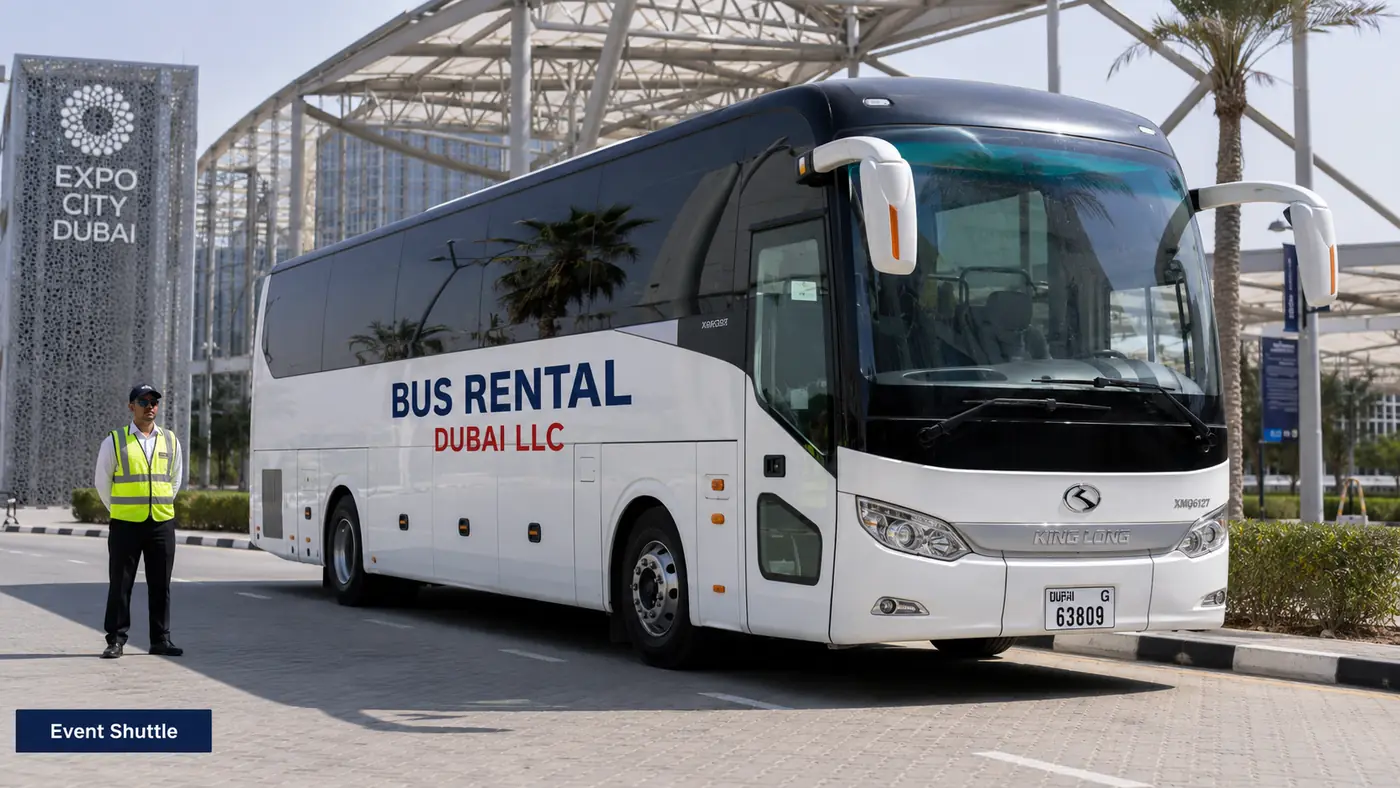

The event shuttle loop is relevant to event operations teams, venues, hotels and transport coordinators. A useful event shuttle loop shows route, people, access and operating time before the provider commits a vehicle.
For the event shuttle loop, separate fixed facts from preferences. In the event shuttle loop, passengers, route and deadlines are facts; model, presentation and payment method may remain preferences until the scope is agreed.
Commercial approval should follow the operational review in the event shuttle loop. Once timing, access and passengers are credible, the quotation can define inclusions, changes and remaining conditions for the event shuttle loop.
Real bookings behind the event shuttle loop do not follow one standard pattern. These examples apply the event shuttle loop to four situations where timing, access, passenger control or service format changes.
The route may alternate hotels only when the complete loop still protects the registration deadline.
High-frequency short loops can be more useful than one large vehicle operating slowly.
Departure demand may be much higher than arrival demand and require temporary extra capacity.
Different reporting times and entrances often justify separate loops.
Do not rank choices in the event shuttle loop until their operating assumptions match. The comparison for the event shuttle loop shows what each option solves and what still needs confirmation.
| Option or factor | Best use or question | Planning implication |
|---|---|---|
| Boarding time | Passenger volume, ticketing and luggage | Changes how long the vehicle remains at origin |
| Travel time | Traffic and road restrictions | Controls the achievable frequency |
| Venue turnaround | Drop-off, security and staging | Determines when the vehicle can begin the next loop |
| Peak demand | Passengers in the busiest interval | Determines vehicle count, not only total attendance |
Review these points before completing the event shuttle loop. Each unresolved point in the event shuttle loop can change the vehicle, timetable or responsibility.
Dispatch for the event shuttle loop becomes safer when arrival or event information is consolidated before drivers receive instructions. For this event shuttle loop, confirm the following items before dispatch planning.
A practical example makes the event shuttle loop easier to test than a list of general rules.
An exhibition expects 240 guests from three hotels between 08:00 and 09:00. A 35-minute complete loop means one coach cannot deliver all demand before opening; the coordinator should model simultaneous routes or staggered hotel departures.
Why it works: For the event shuttle loop, this example states the passenger movement, the main constraint and the service format before asking for a final vehicle or price.
After the event shuttle loop is clear, use one of these pages to confirm the vehicle, commercial basis or operating format.
The questions below focus on decisions and objections that commonly arise during the event shuttle loop.
A transfer moves passengers once. A shuttle repeats movement between points, so cycle time, loading and final return must be planned.
Add driving time, boarding time, unloading time, traffic buffer and turnaround time. The loop must be realistic before vehicle count is chosen.
Vehicle count depends on passenger volume, distance, event timing and whether movement happens continuously or in fixed waves.
Use a location that passengers can find easily and vehicles can enter, wait and leave without blocking traffic.
Yes. A marshal helps passengers board the right vehicle and keeps the loop moving.
Final return waves should be planned separately because exit pressure is usually higher than arrival pressure.
Only when timing, entrances and service expectations match. Many events should separate staff, VIP and guest movement.
Send loop points, passenger count, service hours, frequency, event timing, coordinator contact and final departure requirement.
Send the origins, passenger waves, venue access and required frequency. A loop calculation can then determine vehicle count and the operating timetable.