
Day tours
For Hatta, day tours are easier to manage when the organizer confirms longer road movement from Dubai, the passenger total and the required arrival time. The same Hatta brief should state whether the driver waits or returns later.
Leisure transport needs a programme, a group leader and a return meeting point rather than a destination name alone. This page is for day-tour groups, schools, families and company outing teams who need a longer road journey where comfort, activity timing and the return window matter.
For Hatta, confirm longer road movement from Dubai, longer travel time, passenger numbers and the collection plan. Those Hatta details allow the team to compare vehicle categories around the actual duty instead of guessing from a photograph.
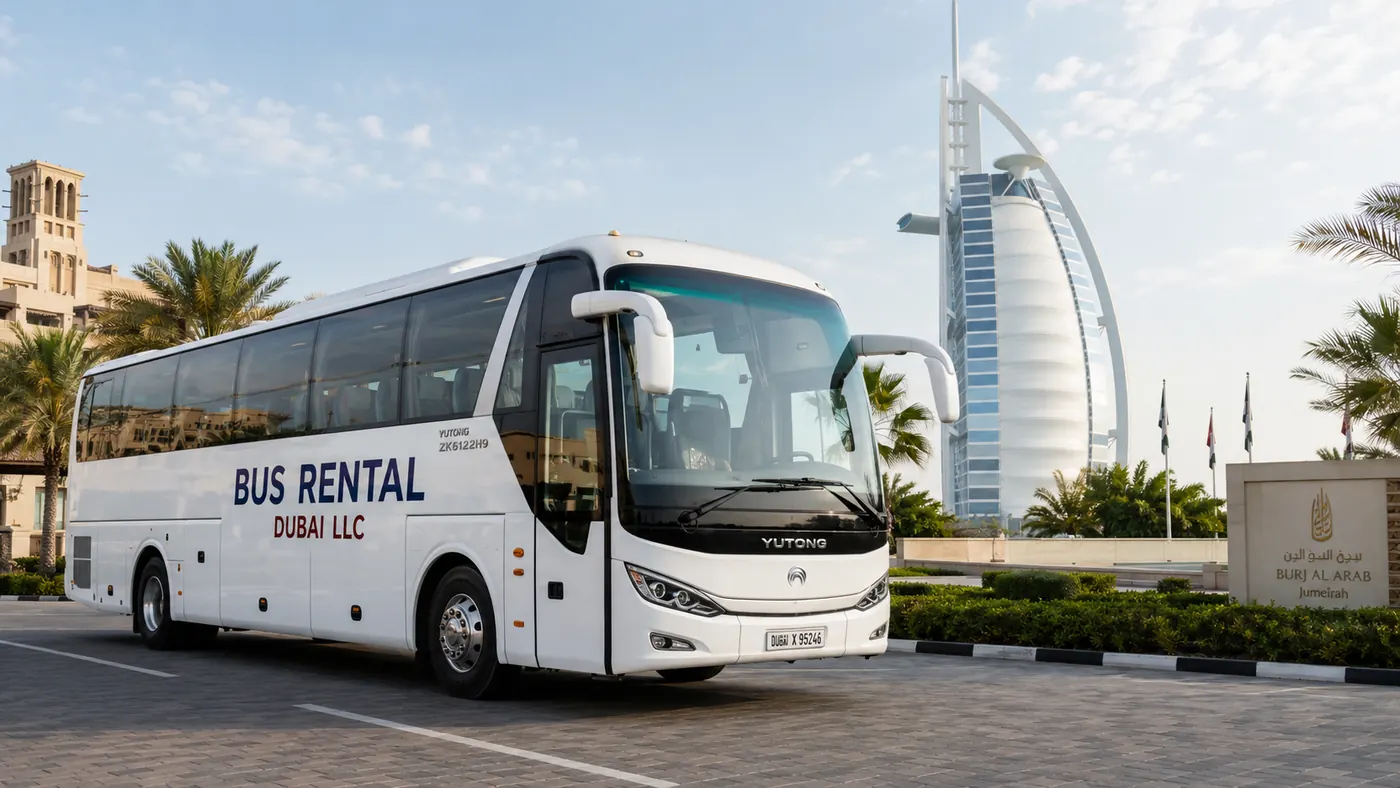
These are common reasons to arrange the visitor transfer. Each Hatta option still needs a confirmed route, boarding count and collection plan before a vehicle is allocated.
For Hatta, day tours are easier to manage when the organizer confirms longer road movement from Dubai, the passenger total and the required arrival time. The same Hatta brief should state whether the driver waits or returns later.
Use this direction when school outdoor trips involve more than one pickup or a fixed deadline. List the stops in travel order and allow for comfort on the road before the group is expected to board.
Family excursions should include any luggage, equipment, supervision or presentation requirement that could change the practical vehicle. One passenger lead should keep the leisure trip on a single approved instruction.
This use case is suitable when the client can confirm intercity-style distance, the return arrangement and the person responsible for the group. Those details prevent the quotation from being based on assumptions.
Access around Hatta can vary by time, security procedure and vehicle size. Use the table as a planning checklist; it does not assume that parking or waiting is always available.
| Reference | What to confirm |
|---|---|
| Longer road movement from Dubai | Send a map pin or exact entrance description for longer road movement from Dubai. At Hatta, the driver and passengers should be able to identify the same boarding point without relying on a broad area name. |
| Mountain-area attraction access | Check how the proposed vehicle can approach mountain-area attraction access. At Hatta, vans, minibuses and full-size coaches may need different safe pickup positions, so access should be reviewed before the category is confirmed. |
| Outdoor activity timing | Build the reporting time around outdoor activity timing. Treat it as a route condition that can affect the leisure trip, not as a guarantee that parking or waiting will always be available. |
| Return before late evening when needed | For return before late evening when needed, state whether the driver drops the group, waits where permitted, repositions or returns at a fixed time. The written instruction should match the quoted duty. |
For Hatta, walking time, attraction closing hours and passenger supervision should be included in the operating plan. The return cannot be based on an optimistic finish time.
Confirm longer travel time before dispatch approval. Record the agreed response in the Hatta movement plan so the coordinator, driver and passengers follow one instruction.
Allow a usable time allowance for comfort on the road. The arrival deadline for the leisure trip should not assume instant boarding or unrestricted waiting.
Name one passenger lead to manage activity schedule changes. Route changes should not come from several passengers after the vehicle has been dispatched.
If the issue involves return timing from outdoor venues, update the approved scope when it changes the route, hours or collection point instead of solving it at the curb.
Comfort, storage and journey duration matter as much as seats for a leisure trip. The chosen category should suit both the outward programme and the ride home. A specific model for Hatta is committed only when it appears in the approved booking quotation.
Vans for small private groups can be considered for day tours when usable seats, storage and boarding access are aligned. Confirm the complete passenger load before the booking is finalised.
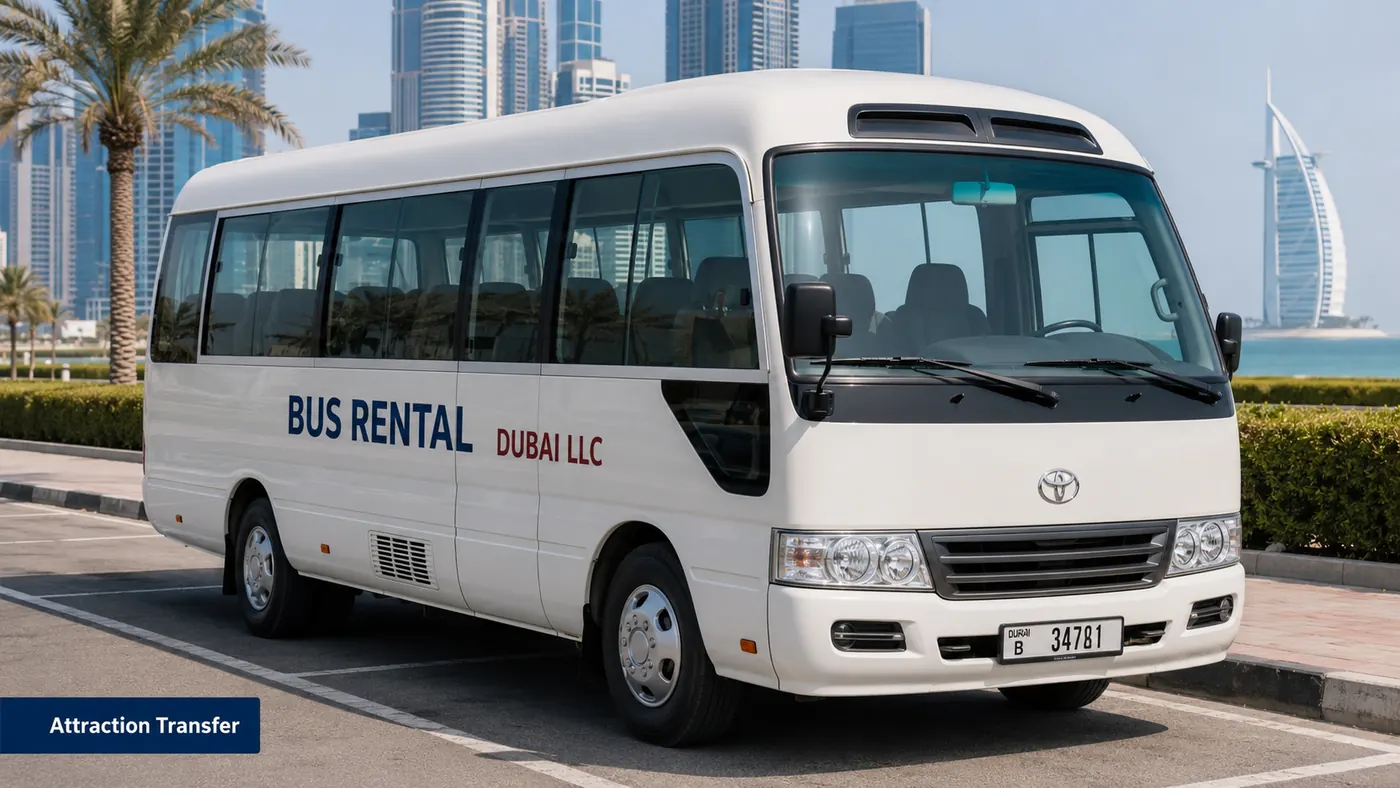
Consider minibuses for school or leisure groups for school outdoor trips, but do not select it only from a photograph or headline seat count. The approach to mountain-area attraction access also matters.
35-seater buses for company outings may be practical when the group, luggage and journey length match the category. The written Hatta quotation should identify the category actually committed.
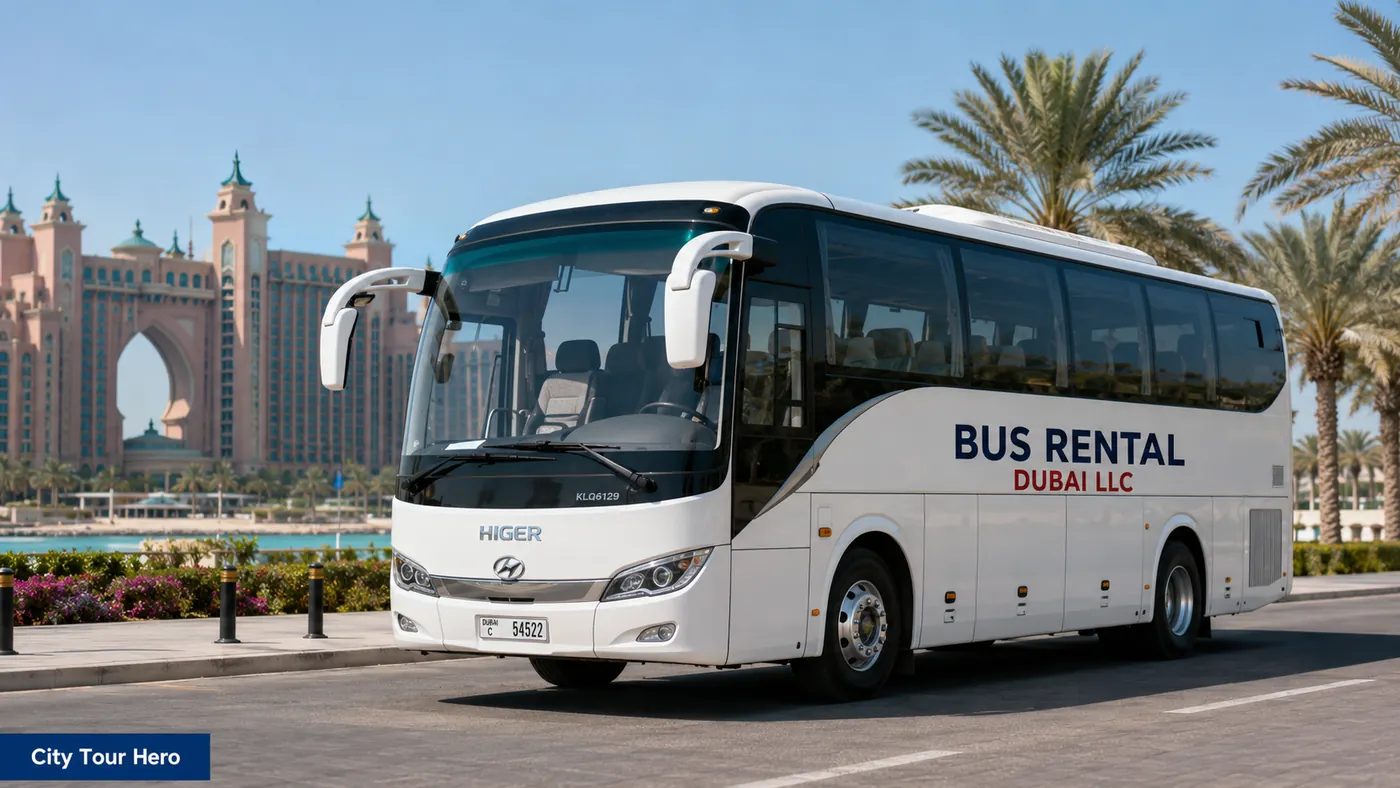
Use coaches for large tours if access is suitable only after checking return before late evening when needed and the return duty. A larger vehicle is not automatically the better choice when turning, staging or waiting space is limited.
For Hatta, a fair comparison uses the same route, duty hours, waiting instruction and return time. Full-day wording should not hide an undefined committed hours.
Intercity-style distance can change driver hours, route distance or vehicle availability. Ask the Hatta quotation to show how this factor is included.
Compare full-day duty on the same basis across suppliers for Hatta. A low price is not comparable when the committed hours or return scope for the return journey is different.
Write waiting during activities into the approved Hatta duty. This prevents the booking from being rebuilt after additional route details are supplied.
Clarify return time before confirming the Hatta movement, including any toll, parking or access treatment that applies to the quoted route.
For current Hatta destination or visitor information, review Hatta visitor information. The official source does not replace transport access confirmation for the selected date and vehicle.
The Hatta route becomes easier to control when one approved version covers boarding locations, timing, access, passenger communication and the return.
One named coordinator approves the final Hatta route, access point and timing. This prevents conflicting instructions from reaching dispatch.
Passengers travelling to Hatta receive the same boarding point, ready time and contact number before the group outing begins.
The driver receives the approved Hatta stop order, access note, passenger contact and collection plan for the leisure trip.
Any change to Hatta stops, hours, transport category or waiting is confirmed through the same authorised contact and recorded before service.
Most failed Hatta pickups begin with incomplete instructions rather than the vehicle itself. Resolve these points before the booking is treated as dispatch-ready.
Starting without a final headcount can send the driver and passengers to different locations. For Hatta, use one exact entrance, gate, lobby or map pin in every instruction.
Leaving closing-time pickup vague makes the Hatta timetable difficult to protect. Add realistic boarding and traffic allowance to the group outing before confirming the arrival time.
Ignoring supervision needs can lead to an unsuitable vehicle or incomplete quotation. Share the Hatta passenger profile, luggage and presentation needs before the booking is finalised.
Treating a full day as unlimited creates conflicting directions. Keep one passenger lead responsible for final changes to the Hatta movement.
Put the Hatta operational details in one message so the proposed vehicle, duty hours and included services can be reviewed together.
Open a related page only when it helps confirm the service type, transport category or next booking step for Hatta.
These answers cover common planning decisions. Final vehicle, access and operating commitments for Hatta remain subject to the approved booking quotation.
Send every pickup, the exact Hatta entrance or map pin, the service date, passenger-ready time, confirmed group size, luggage or equipment, waiting requirement and collection plan. Include one passenger lead number for the Hatta route approval.
The Hatta choice depends on the full movement. Compare vans for small private groups, minibuses for school or leisure groups and larger options against passenger numbers, storage, journey length and access around mountain-area attraction access. The quotation should state the category committed for this route.
Waiting at Hatta can be included when it is agreed before confirmation and permitted at the selected location. The quote should say whether the driver waits, repositions, is released after drop-off or returns at a fixed time.
Yes, when the Hatta stop order and boarding allowance are realistic. List every origin, the passengers joining at each stop and the final Hatta arrival deadline so the route can be checked before pricing.
Confirm the likely effect on the Hatta duty before dispatch approval and give one passenger lead authority to issue the final instruction. If it changes the boarding location, duty hours or return plan, update the approved Hatta route.
Use outdoor activity timing as a planning reference, then provide the exact gate, lobby, terminal, hotel or map pin. Do not assume that every vehicle can wait or board at the same Hatta position.
Intercity-style distance may change the driver duty, route distance or vehicle availability for Hatta. Ask suppliers to quote the same Hatta operating scope so the prices can be compared fairly.
No. 35-seater buses for company outings may suit the group, but access, luggage, stop count and journey length can make a smaller or larger category more practical. Select the Hatta vehicle after the service review.
Agree one Hatta return assembly point, a passenger-ready time and a contact procedure before the outward journey. State whether the same vehicle remains assigned or comes back later.
Check the complete Hatta route, boarding count, transport category, included hours, waiting and return scope, toll or parking treatment, cancellation terms and the contact authorised to change the booking.
Send the Hatta boarding locations, boarding count, timing, access note and collection plan in one message so the complete duty can be reviewed.