
Usable seats
Reserve space for guides, teachers, organisers and any seats affected by operational needs.
A 50-seat coach is practical when the group should travel together and both ends of the route can receive a full-size vehicle. Confirm usable capacity, luggage, boarding supervision, waiting and return timing before approval.
The large-coach plan is relevant to event planners, tour operators, schools, companies and large private groups. A useful large-coach plan shows route, people, access and operating time before the provider commits a vehicle.
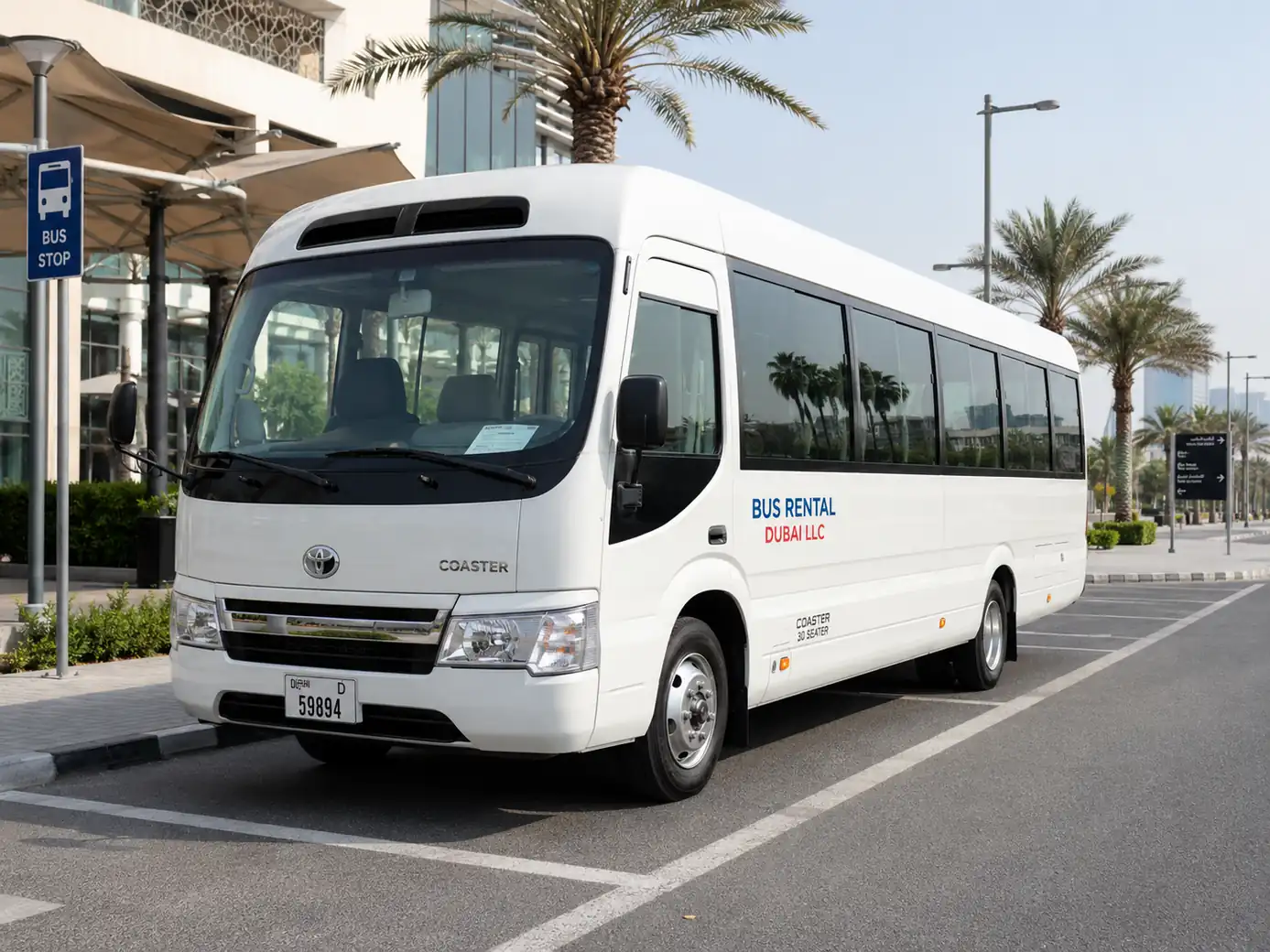
Check when a 50-seater coach suits a Dubai group by reviewing usable capacity, luggage, boarding control, route access and duty hours.
Reserve space for guides, teachers, organisers and any seats affected by operational needs.
Check hotel forecourts, venue bays, school gates and site entrances before allocation.
One leader should hold the passenger list and confirm the group before departure.
State whether the coach transfers, waits, returns later or operates for the full day.
Buyers using the large-coach plan include event planners, tour operators, schools, companies and large private groups. The large-coach plan needs an instruction that can be dispatched, not only an attractive vehicle description.
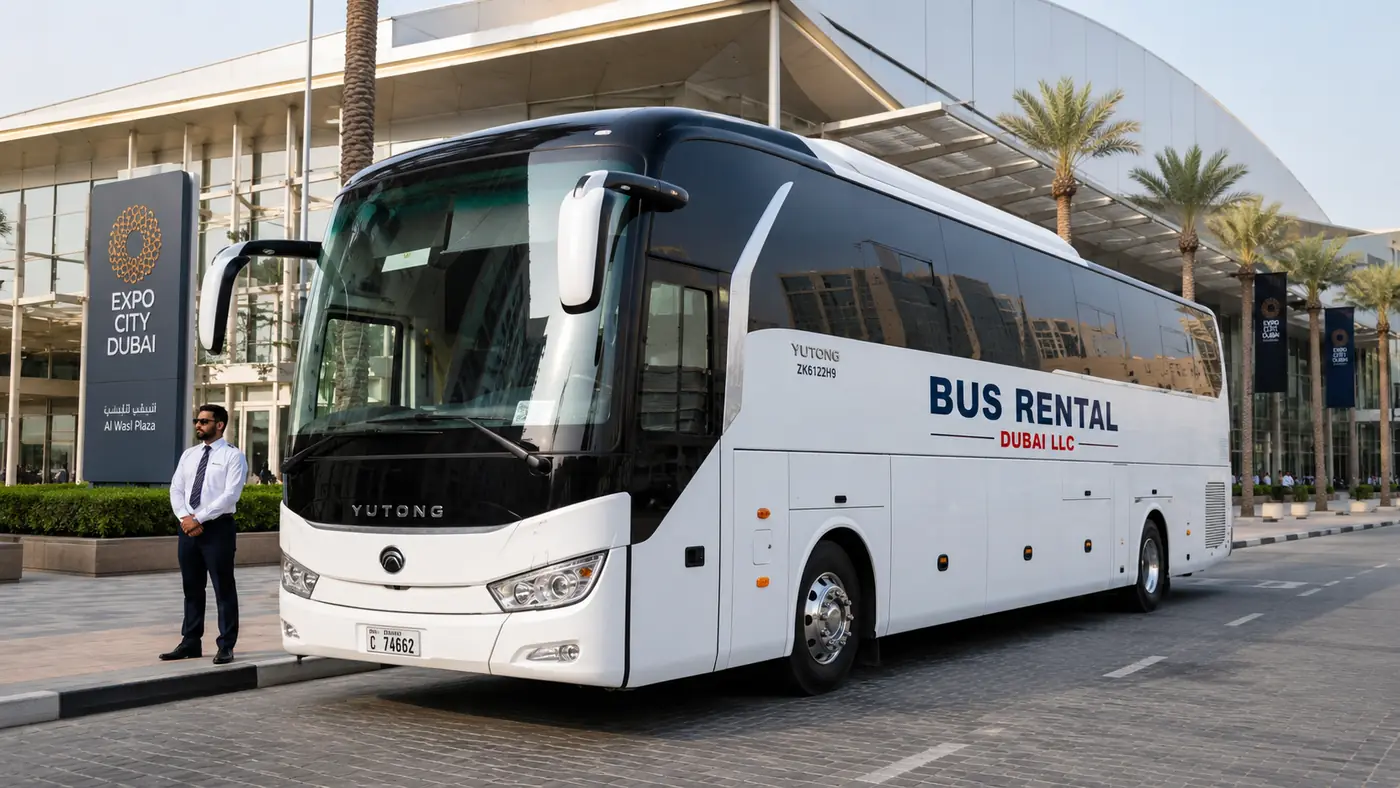
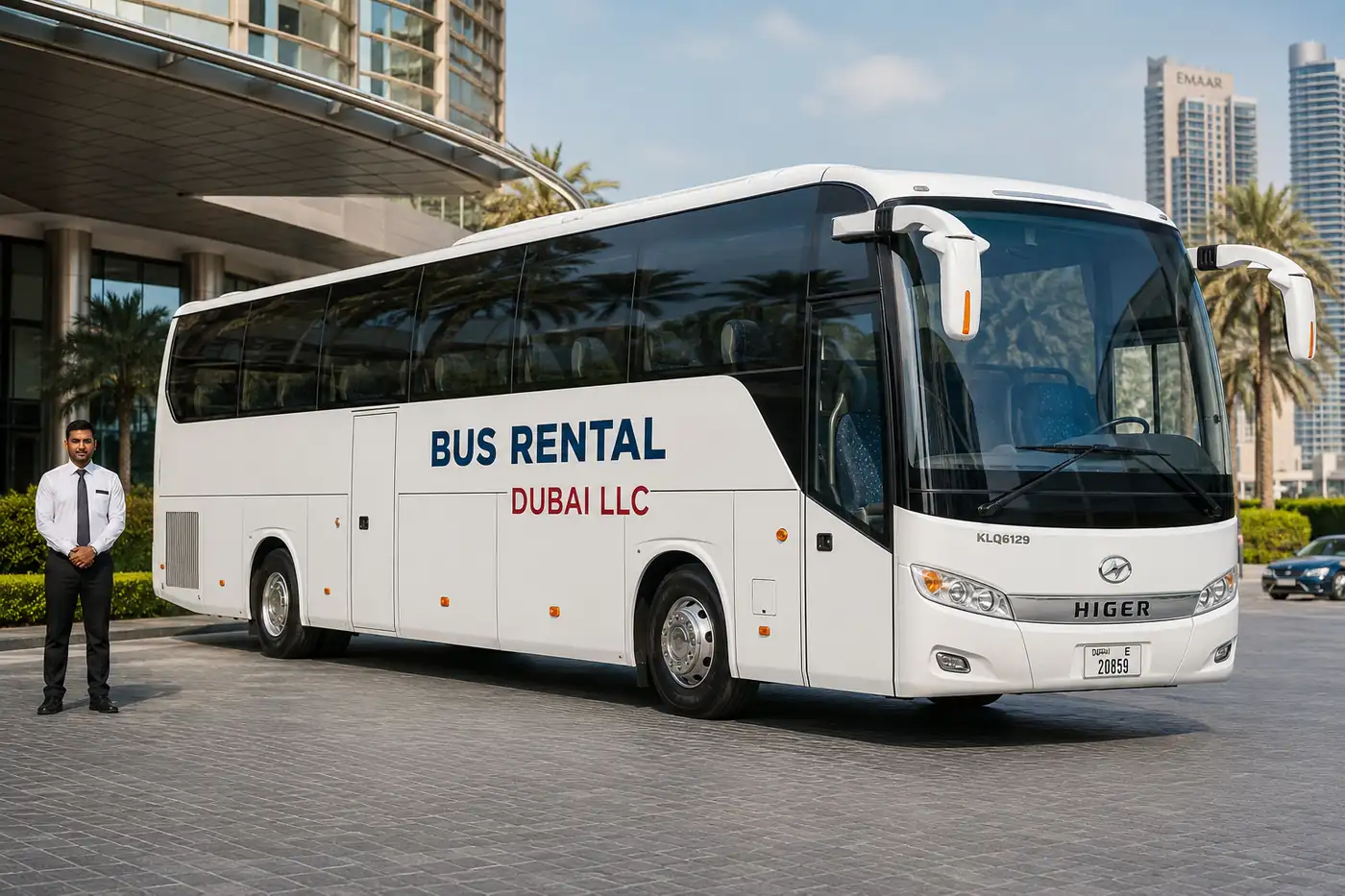
Buyers using the large-coach plan include event planners, tour operators, schools, companies and large private groups. The large-coach plan needs an instruction that can be dispatched, not only an attractive vehicle description.
The first review in the large-coach plan should establish whether one large coach improves group control without creating access, loading or duty-time problems. Any uncertain detail in the large-coach plan should be marked as an estimate so it can be revised without corrupting the final instruction.
Access within the large-coach plan must be checked at the actual entrance. For the large-coach plan, a map pin, gate, terminal, lobby or forecourt is more valuable than a broad area name and may alter the category.
Use these situations to test the large-coach plan before requesting a vehicle. The large-coach plan changes when the group, entrance, luggage or duration changes.
A full coach supports one arrival time when the hotel can stage boarding and the venue has an agreed drop-off point.
Teachers and supervisors form part of capacity planning, while attendance and return checks need a named coordinator.
Storage and loading time must be checked; the printed seat count does not guarantee comfortable baggage space.
A large coach may simplify one high-volume route, but repeated small pickup points can increase boarding time and delay.
Use the same confirmed facts for every option in the large-coach plan. The central test remains whether one large coach improves group control without creating access, loading or duty-time problems.
| Option or factor | Best use or question | Planning implication |
|---|---|---|
| Passenger control | One manifest, one departure and one arrival | Strong when the group must remain together |
| Access | Large turning radius and staging requirement | Weak when pickup or destination space is restricted |
| Luggage | Better potential storage than smaller vehicles | Still needs a confirmed bag count and loading plan |
| Commercial use | Efficient for large coordinated groups | May be unnecessary when passenger count or access favours two smaller units |
A strong large-coach plan states what must not be assumed. Removing these six risks protects the large-coach plan before it becomes a driver instruction.
Advice for the large-coach plan becomes reliable when the transport team can see the people, items, access and complete journey. For this large-coach plan, confirm the following items before vehicle selection.
Use this example as a format for the large-coach plan, not as a fixed recommendation for every route.
Forty-six delegates leave a JBR hotel for a convention and return after an evening function. A 50-seat coach can keep the group together, provided the hotel confirms a coach bay, the venue supplies the correct entrance and the organiser controls boarding at both departures.
Why it works: For the large-coach plan, this example states the passenger movement, the main constraint and the service format before asking for a final vehicle or price.
Choose the next page according to the unresolved part of the large-coach plan. These links continue the buyer journey from the large-coach plan without repeating this guide.
The questions below focus on decisions and objections that commonly arise during the large-coach plan.
It is suitable when the group is large, boarding can be controlled and the pickup point has enough space for a full-size coach.
Sometimes, but the hotel forecourt, coach bay and waiting rule must be confirmed before the vehicle is treated as practical.
It can work for large groups, but luggage volume, terminal meeting point and loading time must be planned carefully.
Coach pricing can change with vehicle hours, distance, parking, tolls, waiting, late return and whether the coach is held for standby.
Use one coach when the group should travel together. Use several vehicles when access, timing or passenger types are different.
The biggest risk is confirming capacity before checking parking, staging, loading time and return movement.
Yes, but attraction order, waiting points, parking rules and return time should be written before quote approval.
Earlier is better for events, weekends, holidays, tours, schools and large corporate movements because coach availability can tighten quickly.
Send the group count, luggage, coach-access details, schedule and return plan. The team can then confirm whether one 50-seat category or a different arrangement is more practical.