
Premium van selection guide
Luxury Vans Dubai
Luxury Vans Dubai is a capacity decision, not only a seat-count label. Review this class around real passengers, luggage, route access, service purpose and the way the driver will coordinate pickup, waiting and return movement in Dubai.
Start with pickup point, destination, date, time, passenger count, baggage notes and duty scope. The transport team can then compare Mercedes V-Class, Mercedes Sprinter, Toyota Granvia and premium van directions and advise whether the VIP van category is the right direction or whether another class will serve the route better.
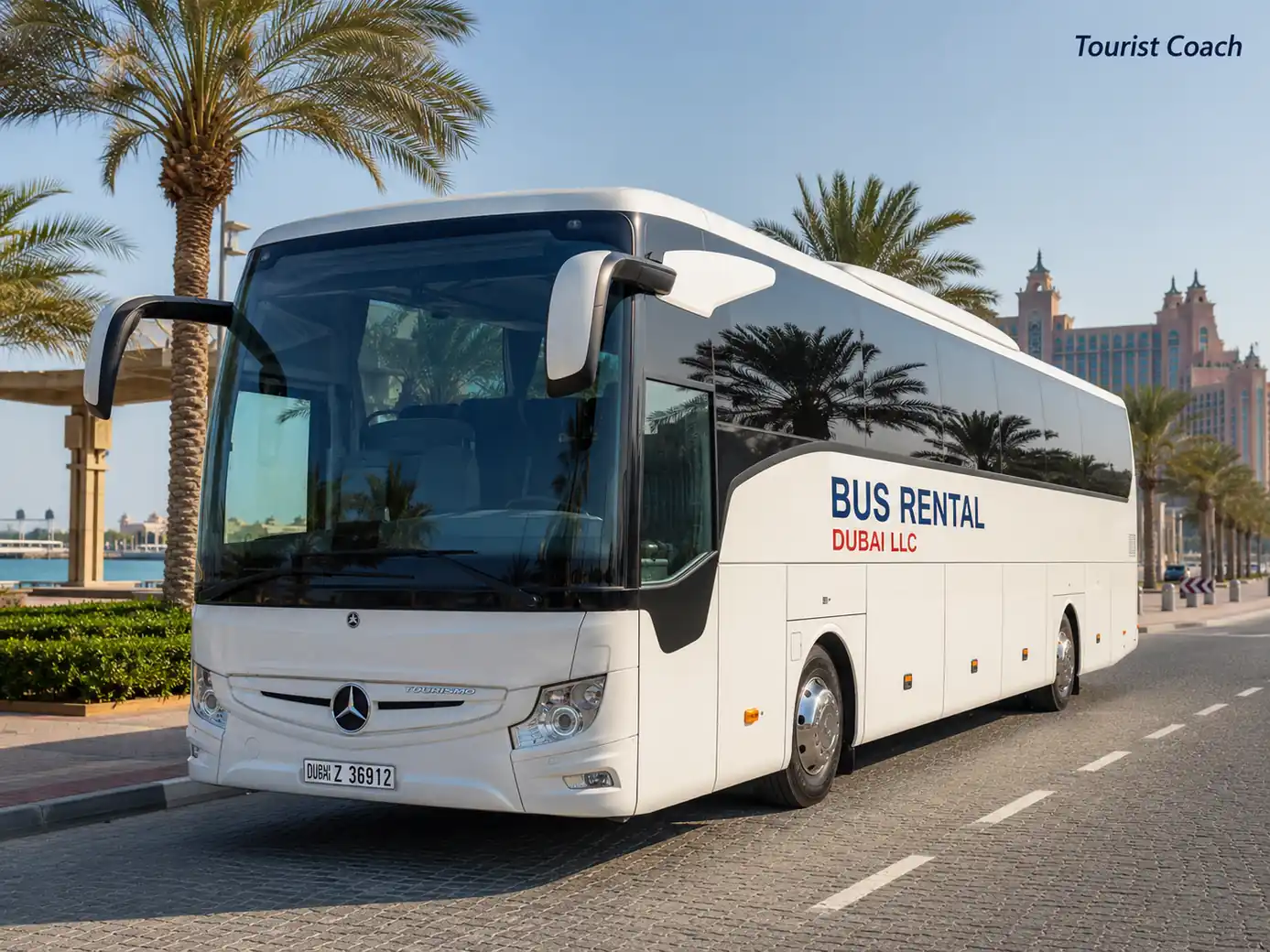
Locked image selection
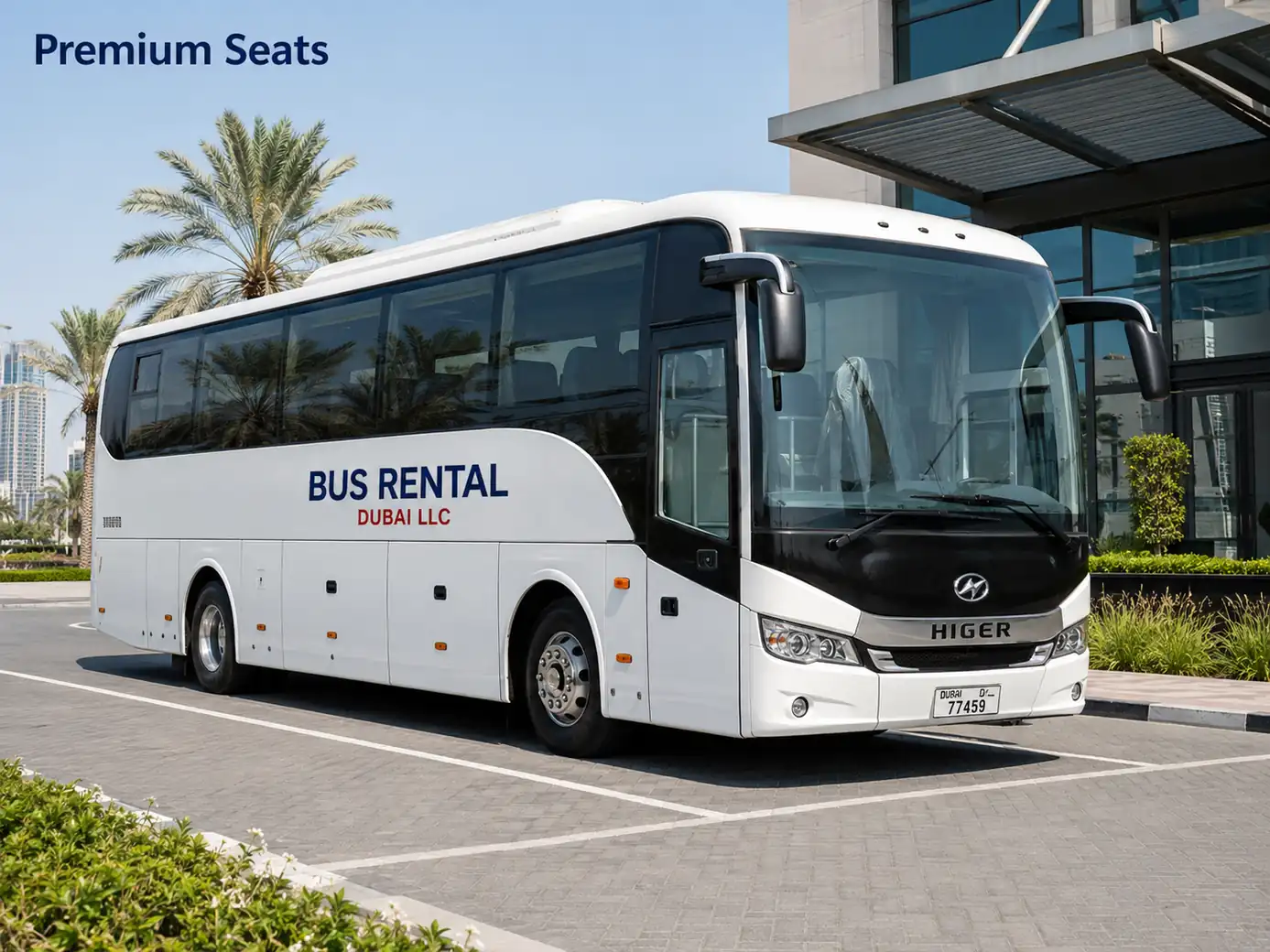
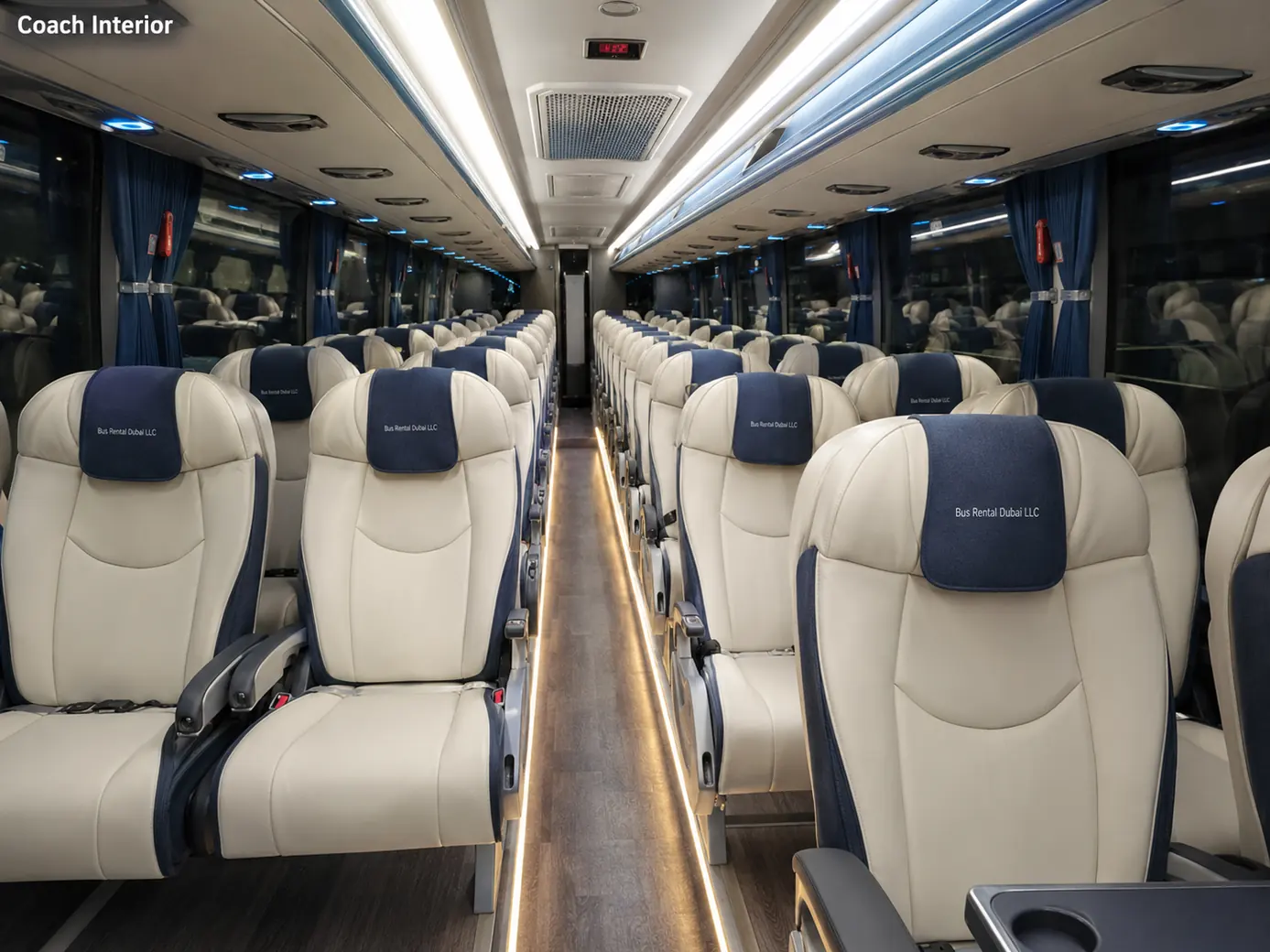
Review the exact images assigned to Luxury Vans Dubai
This page calls only the final external image URLs defined in the locked image master and folder structure. No image files are stored in this site-pages folder.
Fast decision
Where Luxury Vans Dubai fits—and what must be checked
Use this category when the duty matches executive guests, airports and hotels and the confirmed group remains comfortably within the planned capacity.
Compare a neighbouring fleet class when cabin standard, baggage and access cannot be confirmed or the route needs a different comfort, access or baggage level.
A usable quote should name Luxury Vans Dubai, the route, date, duty duration, passenger count, luggage, access notes and return condition.
The driver brief should contain the exact pickup point, destination order, ready time, coordinator and any gate, terminal or parking instruction.
Category fit
What this luxury vans category helps you decide
This page is a decision guide for luxury vans, written for VIP guests, executive teams, hotel concierge desks, family groups and protocol coordinators. It explains where the class works well, where it becomes risky, and what information must be known before a quote is treated as reliable.
The strongest fit cases are executive airport transfers, premium hotel-to-meeting routes, small VIP itineraries and private guest movement. The weak fit cases are workforce routes, rough industrial access, large luggage groups or bookings where cost is the only decision. That separation helps the buyer avoid choosing a vehicle only because the visible seat count seems close.
For Dubai work, the VIP van category should be checked against access, bags, passenger readiness and return expectation. The most sensitive points for this category are vip presentation, airport meet timing and the pickup environments around DIFC, Palm Jumeirah.
Approve the premium van only when presentation, cabin comfort and luggage needs justify the category.
Use cases
When luxury vans are the right fit
Use this section to decide whether the VIP van category fits the real duty. The right answer depends on passenger type, route environment, comfort level, boarding time and whether the vehicle waits, returns or repeats the route.
Best use for luxury vans
Strongest when the route matches executive airport transfers, premium hotel-to-meeting routes, small VIP itineraries and private guest movement and one coordinated vehicle is better than scattered transport.
When another class is safer
Move away from this class when the movement involves workforce routes, rough industrial access, large luggage groups or bookings where cost is the only decision or when the buyer needs a different comfort or staging level.
Passenger and load check
Count passengers, luggage, uniforms, school items, tools, guest bags and event material before confirming the VIP van category.
Access and timing check
Confirm the entrance, waiting rule, route order and return plan so the assigned driver can follow one clear instruction set for premium van class.
Fleet options
Vehicle types to compare in this category
The models below are compared by practical fit rather than name alone. Review cabin layout, passenger type, luggage, route distance, access, comfort expectation and the duty window before choosing between Mercedes V-Class, Mercedes Sprinter, Toyota Granvia and premium van directions.
| Vehicle or model direction | Best fit | What to confirm |
|---|---|---|
| Mercedes V-Class | Useful for executive airport pickups | Confirm premium vehicle class, route access and passenger count before approval. |
| Mercedes Sprinter Executive | Useful for hotel-to-venue VIP transfers | Confirm guest presentation, route access and passenger count before approval. |
| Toyota Granvia | Useful for small family wedding movement | Confirm airport wait time, route access and passenger count before approval. |
| Mercedes Vito Executive | Useful for premium city routes where privacy matters | Confirm chauffeur schedule, route access and passenger count before approval. |
Dubai route fit
Dubai routes where this category works best
Dubai fleet decisions change by location. The vip van category may be ideal in one district but unsuitable in another if the pickup side, parking, waiting rule or passenger gathering point is unclear.
For luxury vans, route planning should connect the vehicle class to the movement pattern. Airport runs need baggage and terminal timing. Staff or school work needs discipline. Hotel, event and tourism work needs presentation, staging notes and a reachable coordinator.
Do not approve the VIP van category until pickup, destination, waiting time, return plan and passenger communication are clear. The category behaves differently at DIFC, Palm Jumeirah, Downtown Dubai, so access notes matter.
DIFC
Executive transfers need tower and valet-side instructions so the vehicle reaches the correct guest-facing entrance.
Downtown Dubai
Resort pickups should include lobby name, security gate and guest timing because luxury service depends on smooth presentation.
Palm Jumeirah
Premium guest movement needs clear hotel or boulevard access and enough buffer for traffic around mall and event zones.
Dubai Marina
VIP airport trips require terminal, flight, baggage and meet-point notes so the vehicle class matches guest expectations.
Pricing clarity
Pricing factors for this vehicle class
Pricing should be compared on the same route, timing, vehicle class and duty scope. For luxury vans, the quote can change when access, luggage, waiting, return movement or repeated service requirements are different.
Pay special attention to VIP Presentation, Airport Meet Timing, Itinerary Flexibility. A written quotation should make clear whether the service is one-way, return, standby, full-day, event-style or monthly.
VIP Presentation
Premium interiors, guest-facing service and cleaner staging can cost more than a normal passenger van and should be quoted separately.
Airport Meet Timing
Flight delays, baggage wait and terminal access affect the duty when the vehicle must remain ready for guests.
Itinerary Flexibility
Executive users often change meeting times or stops, so standby and flexible waiting should be included in the scope.
Cabin And Luggage Balance
Luxury cabins may prioritize comfort over maximum luggage, so bag count and passenger count should be checked together.
Decision path
How to compare this fleet class before booking
Use the Bus Rental Dubai homepage as the wider brand reference, then compare bus and van fleet options, review the bus rental pricing guide, and check Dubai bus rental services when the category needs to connect with airport transfer, staff transport, events, intercity movement or private group travel. When the route and vehicle direction are ready, use the request a route-based quote page so the enquiry includes passenger count, timing and route scope.
The category is most useful when it solves a clear operational problem: executive airport transfers, premium hotel-to-meeting routes, small VIP itineraries and private guest movement. It becomes weaker when the route is closer to workforce routes, rough industrial access, large luggage groups or bookings where cost is the only decision.
A strong buyer leaves this page knowing the capacity direction, comfort expectation, access risks, luggage limits, model options and quote details needed for premium van class.
Quote checklist
Details to send for a fast quote
A fast quote needs more than capacity. Send the details below so the team can test the VIP van category against the route, passenger group, luggage, waiting time and approval requirement.
- Fleet category required: Luxury Vans Dubai, with preferred model if already known.
- Exact pickup point with building, hotel, terminal, gate, camp, school, office, villa, venue or parking note.
- Destination, route order, planned waiting time, return timing and any stop sequence.
- Passenger count, luggage, tools, event material, school items, uniforms, guest bags or comfort requirements.
- Date, pickup time, arrival deadline, full-day/one-way/monthly scope and whether driver standby is required.
- Billing, company approval, school permission, hotel coordinator or event contact details where relevant.
Operation standard
How this vehicle class stays organized
Luxury vans stay organized when the category decision is tied to route facts. The vehicle should not be treated as final until access, passenger count, luggage, driver instructions and return scope are clear.
The operations team should connect premium van class to the real service environment. A vehicle that works for executive airport transfers may need different timing notes for another district, airport, venue, camp, school or hotel route.
Category review
The request is checked against passenger count, luggage, route access and category fit before the VIP van category is treated as final.
Driver and dispatch notes
The driver receives the pickup point, destination, route order, waiting scope, coordinator contact and access restrictions relevant to premium van class.
Passenger communication
The organizer shares meeting point, ready time, baggage limits and return instructions before the luxury vans vehicle arrives.
Repeat-service adjustment
For monthly or repeated luxury vans work, timing, passenger count and access notes should be refined after early trips if needed.
Planning mistakes
Mistakes to avoid before booking this category
Most luxury vans mistakes happen before dispatch: the buyer chooses by seats, ignores luggage, leaves access vague or compares quotes that do not include the same waiting and return scope.
For luxury vans, the safer method is to approve the class only after route, passenger count, timing, contact person and baggage expectations are aligned. This matters because Dubai pickup environments vary sharply by airport, hotel, school, office tower, industrial site and venue.
Choosing by seats only
Seat count does not confirm luggage space, comfort level, access suitability or route practicality for the VIP van category.
Ignoring pickup access
Hotels, airports, schools, camps, towers, venues and industrial gates can change whether the VIP van category is still practical.
Comparing unmatched quotes
Compare luxury vans quotes only when vehicle class, duty duration, return scope, waiting time, stop order and route are the same.
Leaving approval unclear
The route, organizer, passenger contact and final timing should be written before dispatching luxury vans.
Before approval
Final checks before confirming this fleet class
Before confirming, review the quote as a fleet decision, not only a price. The buyer should understand why the VIP van category was suggested and what details must still be finalized before dispatch.
For luxury vans, the same capacity can behave differently by route. VIP guests, hotels, schools, staff routes, events and intercity trips create different access, timing and passenger communication needs.
Final approval for luxury vans should connect route, vehicle, passengers, timing, contact person, luggage and return plan. Clear details protect both passengers and operations.
Category approval
Confirm why the VIP van category fits this route and why a smaller or larger class is not better.
Route approval
Confirm pickup, destination, stop order, waiting scope and return plan before accepting the quote.
Passenger approval
Make sure the group knows meeting point, ready time, coordinator and baggage expectations.
Timing approval
Review pickup time, boarding buffer, traffic risk, route distance and return timing.
Final buyer check
How to approve Luxury Vans Dubai with confidence
A strong fleet decision should connect the vehicle category with the real movement, not only the published seat range. For Luxury Vans Dubai, the buyer should compare passenger type, baggage, pickup access, route distance, expected waiting and the person who will coordinate the group on the service day.
This class is strongest for VIP guests, executive airport transfers, hotel concierge movement and protocol travel. It becomes risky when the route looks closer to rough industrial access, large luggage groups or cost-only staff movement. The safest approval note names the pickup point, destination, route order, vehicle direction, return rule and billing or coordinator contact.
Category fit
Confirm why the premium van class is better than the smaller or larger neighbouring class.
Model direction
Compare Mercedes V-Class, Mercedes Sprinter, Toyota Granvia and premium van options only after route access and baggage are clear.
Service use
State whether the movement is airport, hotel, staff, school, event, tourism, monthly or private group transport.
Approval record
Keep quote basis, pickup point, passenger count, return scope and contact person in writing.
Buyer questions
Luxury Vans Dubai FAQs
Luxury Vans Dubai is best reviewed for VIP guests, executive airport transfers, hotel concierge movement and protocol travel. The final decision should still check luggage, pickup access, waiting time, passenger profile and whether the route is one-way, return, standby, full-day or monthly.
Send pickup point, destination, date, pickup time, passenger count, luggage notes, service purpose, return plan, preferred vehicle class and any access restriction such as terminal, hotel lobby, school gate, camp block, office tower or venue entrance.
The team may compare Mercedes V-Class, Mercedes Sprinter, Toyota Granvia and premium van options. Availability, layout, passenger comfort, baggage, route distance and access conditions decide the final recommendation, not the model name alone.
Luggage can change the correct vehicle even when the passenger count looks simple. Mention suitcases, cabin bags, school items, uniforms, tools, exhibition material, tour equipment or staff bags separately from headcount.
Pricing depends on vehicle class, distance, number of stops, duty duration, waiting time, return movement, airport or venue access, parking/toll expectations and whether the booking is one-time or recurring.
Choose another class when the route includes rough industrial access, large luggage groups or cost-only staff movement. A smaller or larger class can be safer when passenger volume, comfort level, access or luggage does not match the premium van class.
Yes, if working days, route order, headcount, pickup timing, supervisor contact and return expectations are defined. Monthly routes should be reviewed as an operating schedule, not as a single transfer.
The route should include driver instructions based on pickup point, destination, stop order, passenger contact, waiting scope and access notes. One reachable coordinator helps the movement stay organized.
Compare only like-for-like quotes. The vehicle class, pickup point, destination, waiting time, return plan, extra stops and baggage assumptions should match before one price is treated as better.
Confirm route, passenger count, vehicle class, luggage, pickup access, arrival target, return scope, coordinator contact, billing details and any rule that could affect driver dispatch before approving the booking.
Ready to plan?
Request Luxury Vans Dubai with route-ready details
Send pickup, destination, passenger count, date, time, luggage, service purpose and return plan so the team can review the correct fleet category before final quote approval.